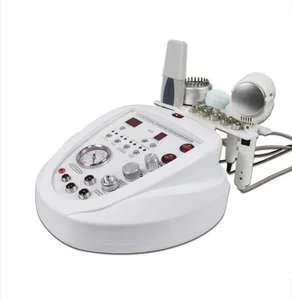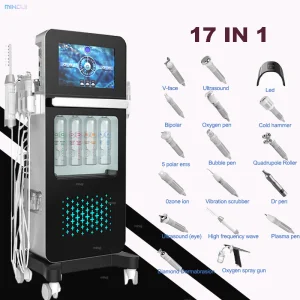
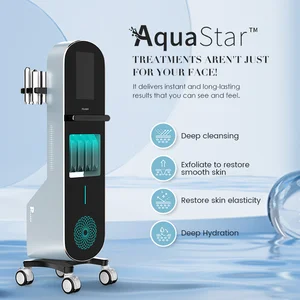
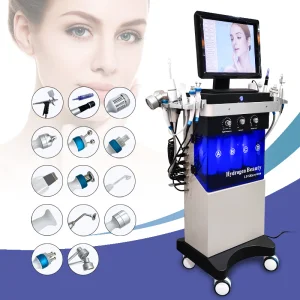
The South African aesthetic and wellness market has experienced a profound shift over the last decade. Driven by a combination of high solar intensity, a diverse population with Fitzpatrick skin types I through VI, and an increasing consumer preference for non-invasive treatments, clinical practices are scaling their technological capabilities. Diamond dermabrasion—a mechanical exfoliation technique that utilizes diamond-tipped wands to gently abrade the stratum corneum while vacuuming away dead skin cells—has emerged as a foundational modality in South African skin clinics, medical spas, and wellness franchises.
Unlike chemical peels, which can carry post-inflammatory hyperpigmentation (PIH) risks on darker skin types common in regions like Gauteng, KwaZulu-Natal, and the Western Cape, diamond microdermabrasion offers a highly controllable, mechanical exfoliation method. By removing the outer barrier of dead skin without thermal energy or harsh acids, local clinicians can immediately proceed with topical nutrient delivery, achieving optimal results for sun damage, acne scarring, and localized pigmentation issues.
On a global scale, standalone dermabrasion machines have evolved into multifunctional systems. Leading aesthetic institutions in North America, Europe, and South Africa no longer rely on single-purpose hardware. The modern paradigm integrates mechanical diamond exfoliation with hydrodermabrasion, high-pressure oxygen infusers, ultrasonic skin scrubbers, and skin analysis modules. This convergence allows practitioners to offer structured multi-step treatments—cleansing, exfoliating, extracting, and hydrating—within a single billing cycle. For global and South African spa owners, this translates directly to increased client retention, higher average ticket sizes, and optimized treatment room turnover.
| Exfoliation Modality | Depth & Control Mechanism | Primary South African Application | PIH Risk Level (Fitzpatrick IV-VI) | Consumables & Operational Overhead |
|---|---|---|---|---|
| Diamond Dermabrasion | Mechanical grit size (75-200 mesh) & vacuum pressure | Sun damage, localized scarring, fine lines | Extremely Low (No chemical or thermal agents) | Very Low (Sterilizable reusable diamond tips) |
| Hydrodermabrasion | Fluid vortex flow & soft silicone tips | Deep pore cleansing, hydration, active serum infusion | Zero Risk | Medium (Salicylic/Hyaluronic acid serums) |
| Crystal Microdermabrasion | Aluminium oxide blast & vacuum | Deep resurfacing | Moderate (Can cause friction burns if uncontrolled) | High (Single-use crystal powders, filter replacements) |
| Chemical Peeling | Acid concentrations & exposure time | Melasma, acne management, hyperpigmentation | High (Requires strict post-treatment UV blocks) | Medium (Acid solutions, neutralizers) |
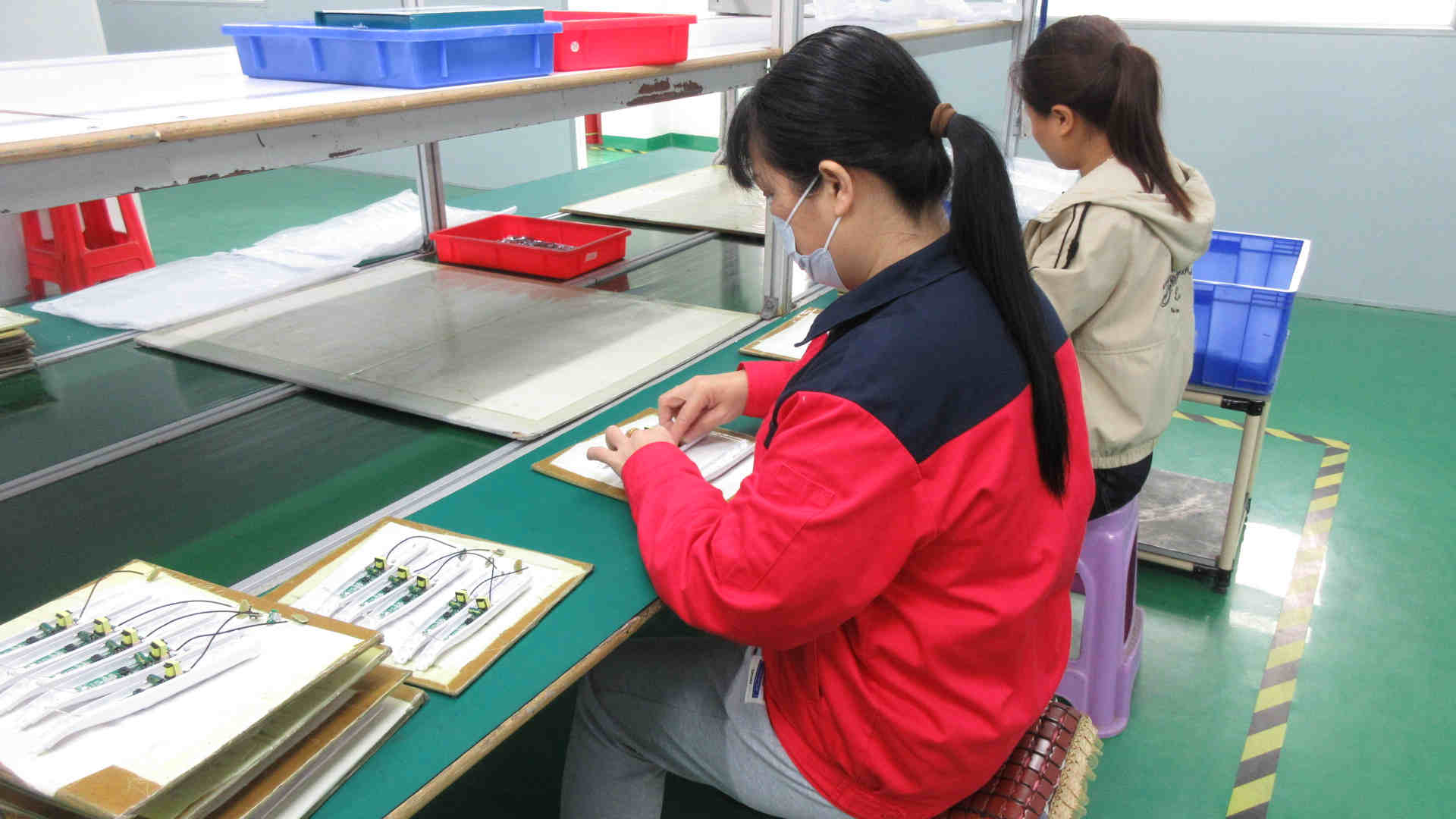
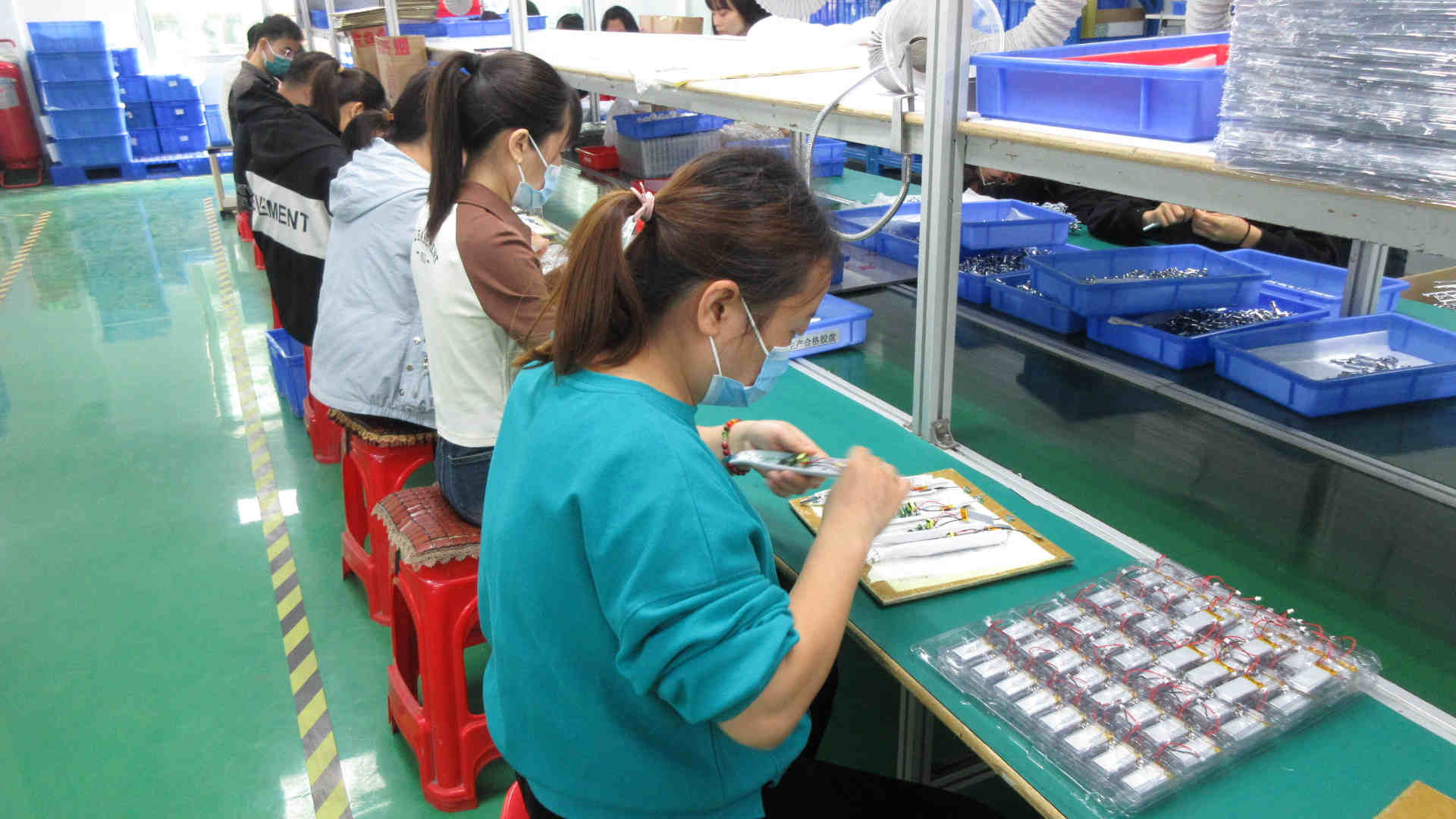
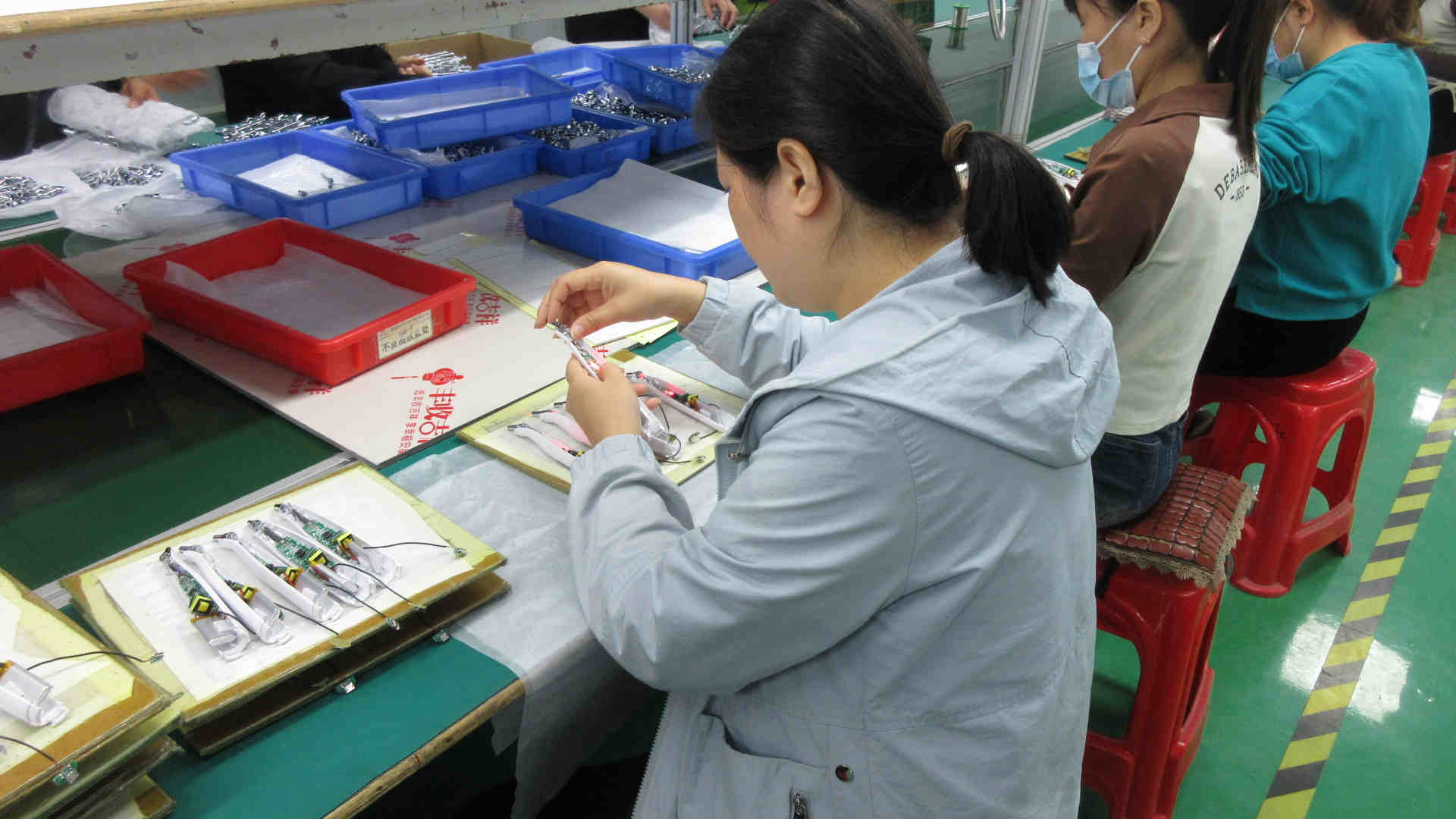
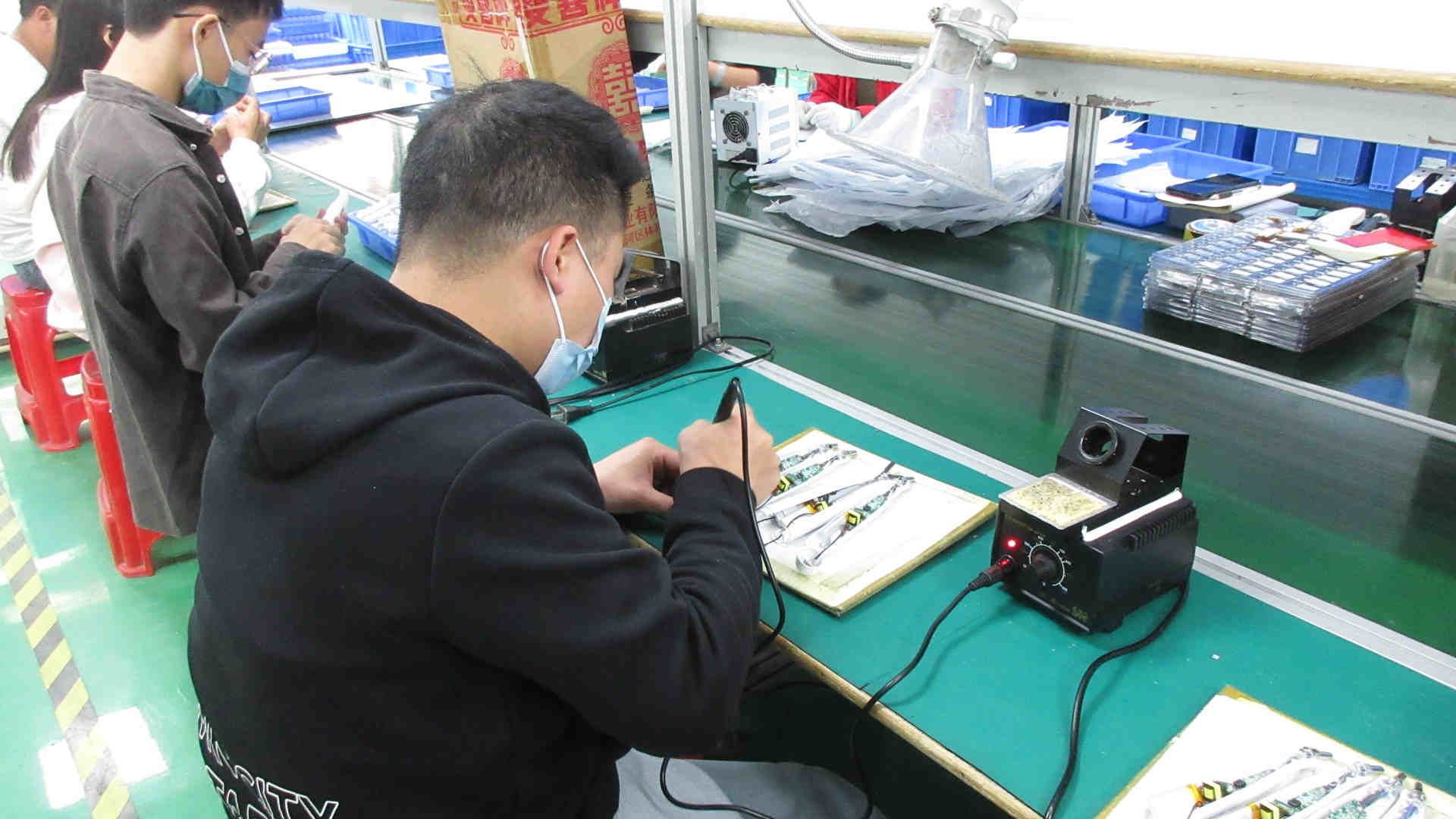
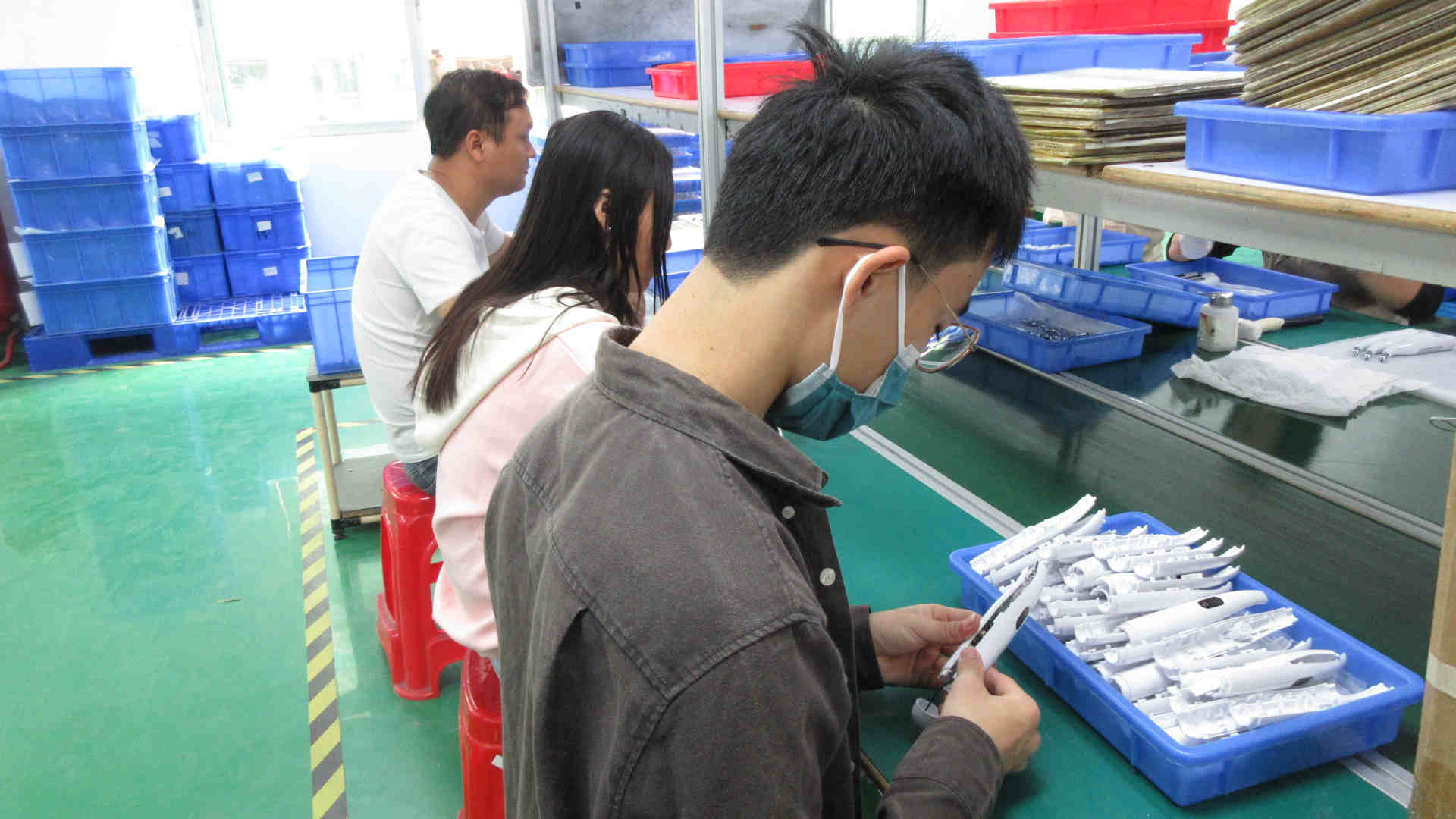
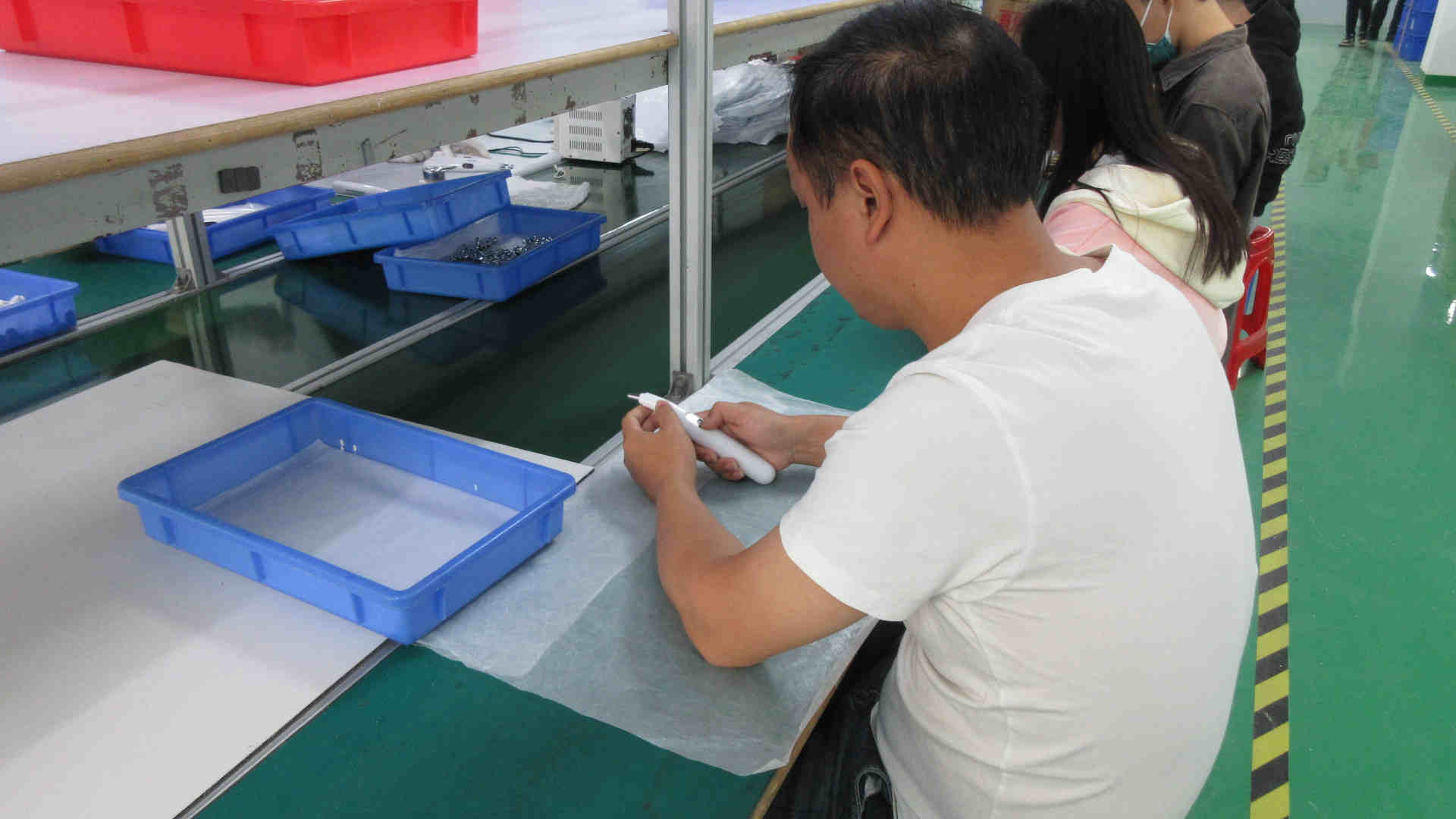
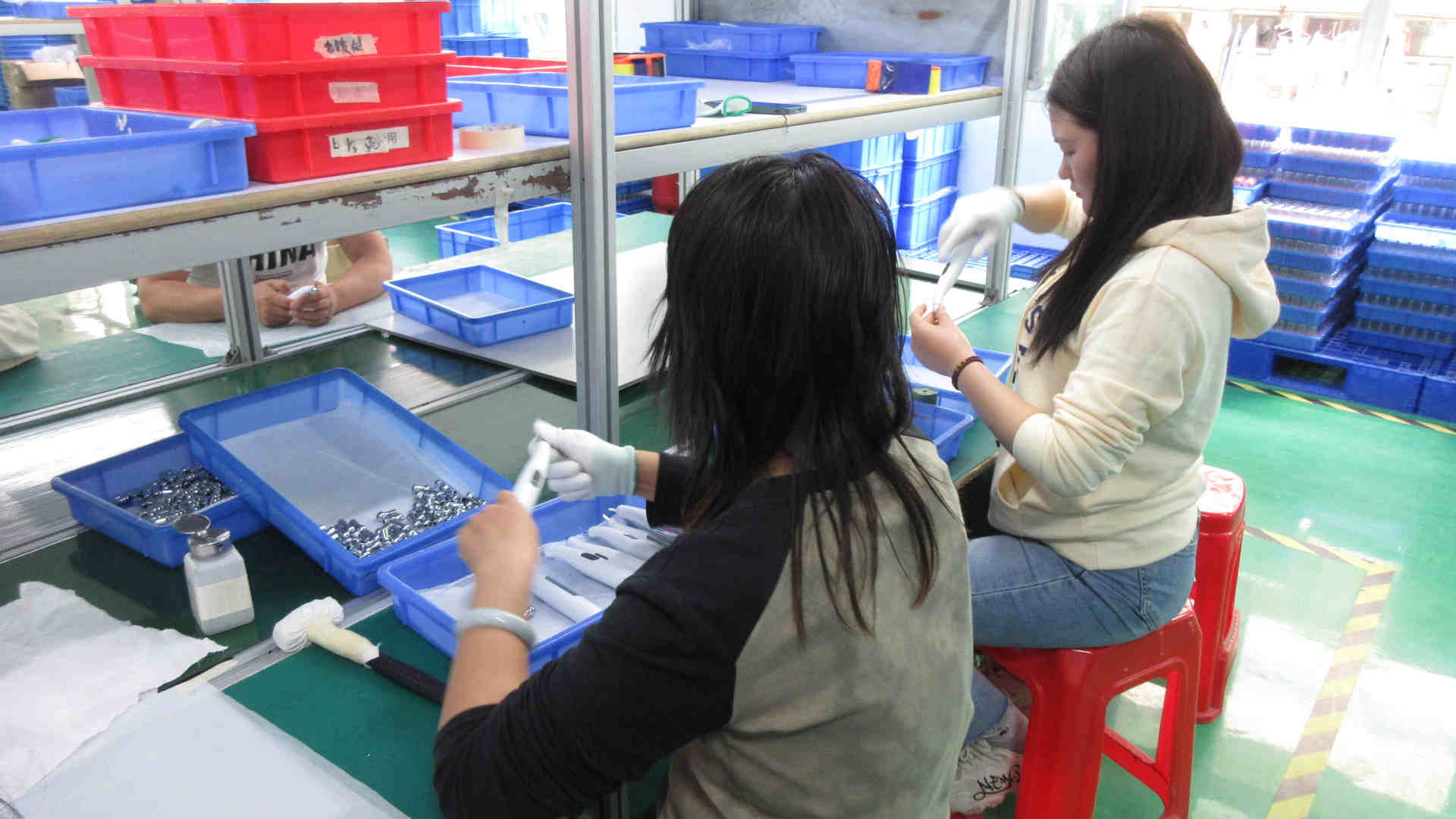
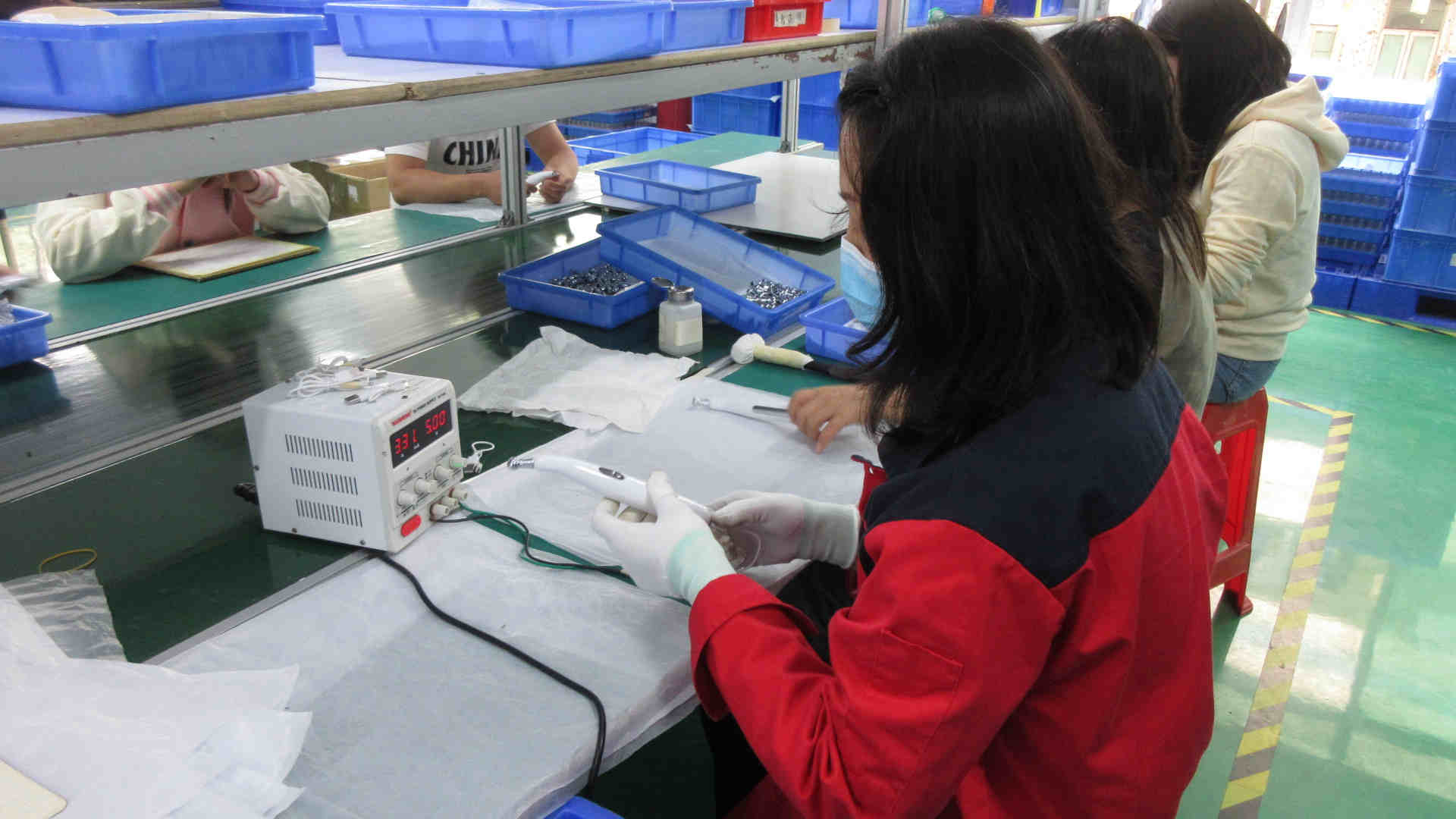
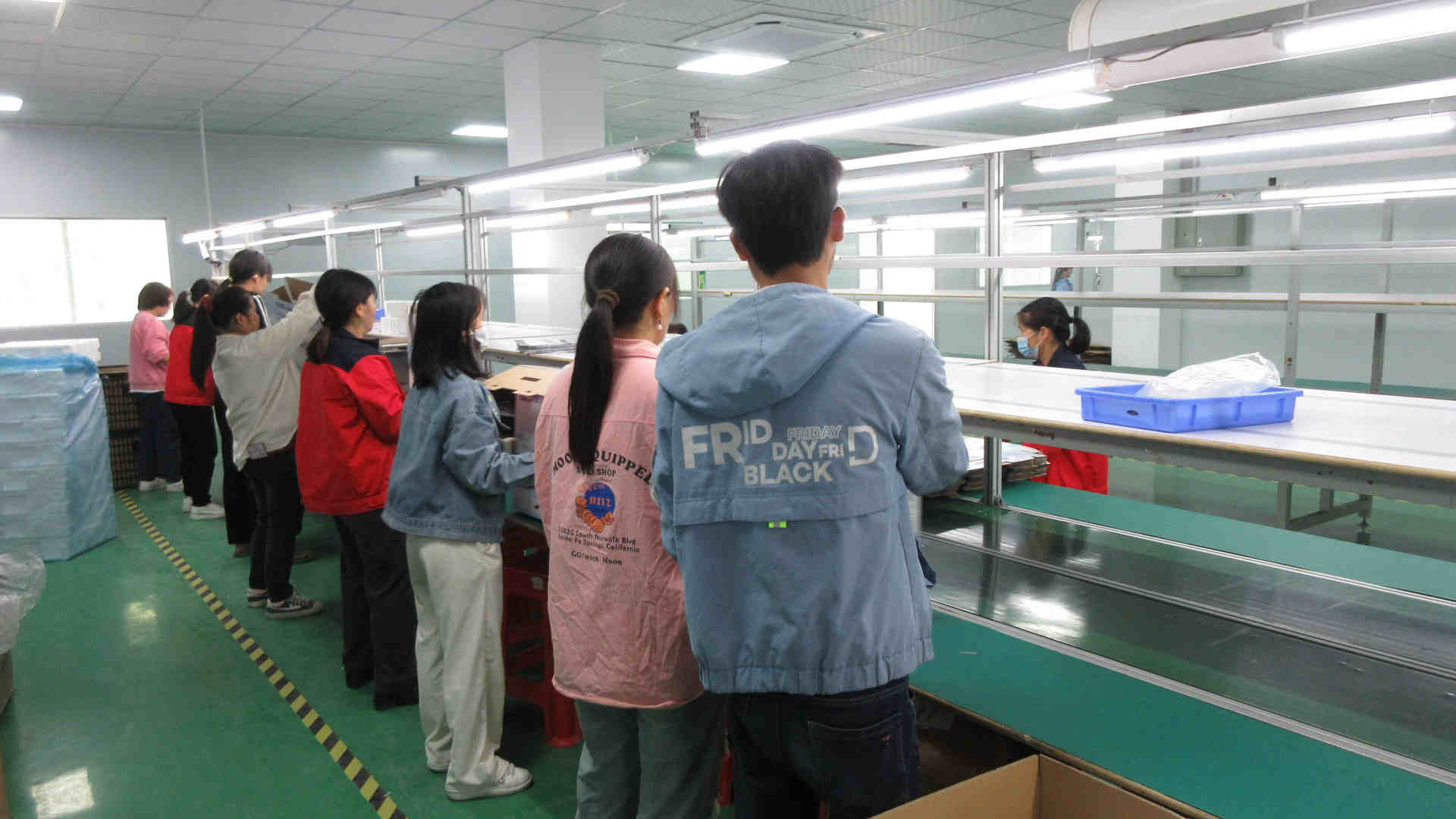
For South African importers, distributors, and bulk purchasers, sourcing beauty machinery directly from China offers significant capital and technical advantages. As a primary global manufacturing hub for beauty devices, Chinese manufacturing centers—particularly in industrial areas like Foshan, Guangdong—benefit from a highly integrated supply chain. This clustering allows for efficient raw materials sourcing, rapid prototyping, and rigorous quality control testing at scale.
Leveraging high-grade electromagnetic vacuum pumps, double-filtration modules, and medical-grade silicone tubing to ensure constant negative pressure without drops or spikes during operations.
Production facilities operating under ISO 13485 medical quality management frameworks, with products designed to meet CE (LVD/EMC), RoHS, and local SABS electrical safety protocols.
Customized casing designs, GUI screen branding, custom voltage setups (220V-240V 50Hz tailored for South African grids), and custom outer packaging configurations for national brands.
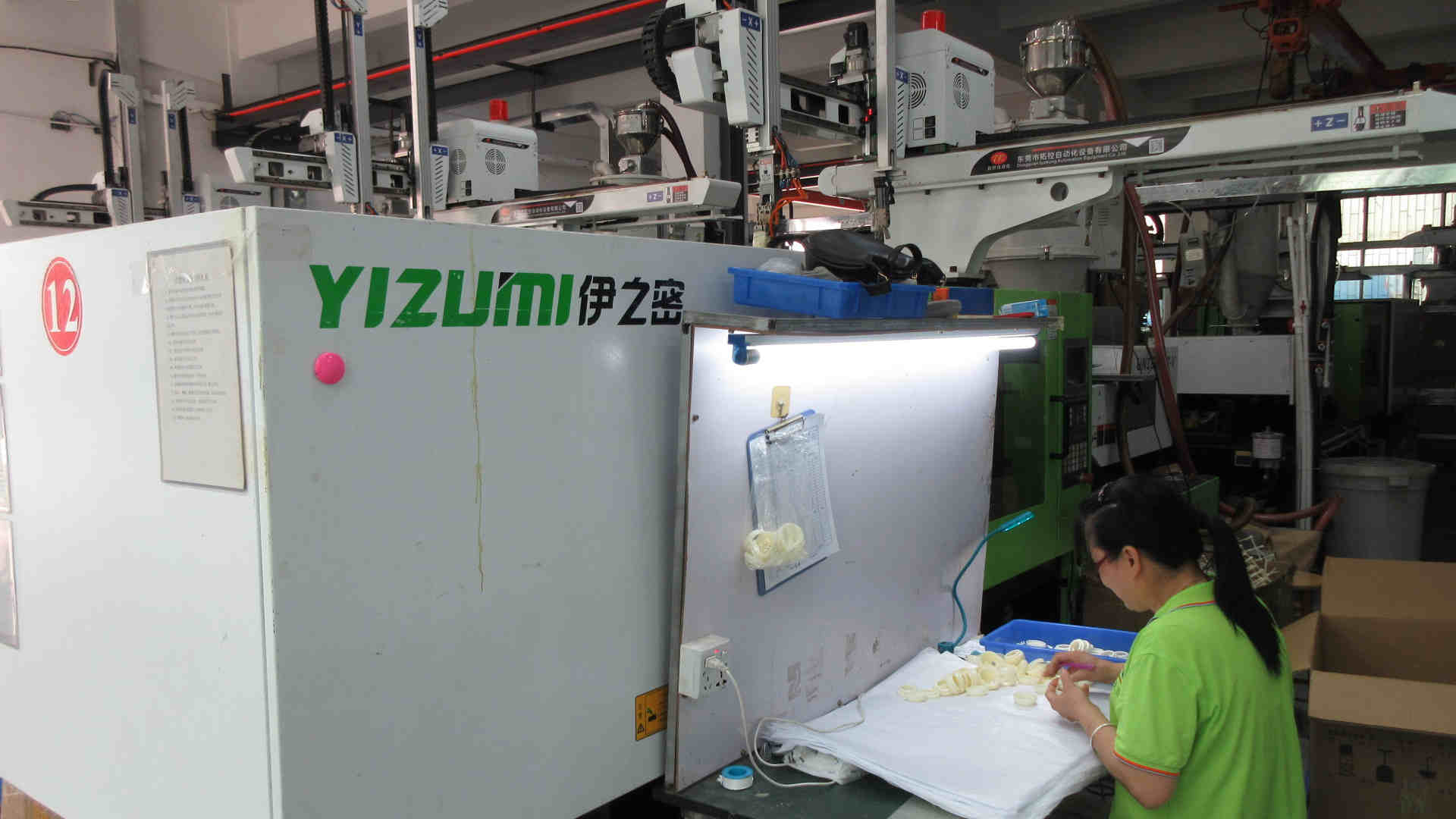
At Foshan Kelli Beauty Co., Ltd., we bridge the gap between heavy industrial capacity and refined clinic-level expectations. By controlling the entire manufacturing workflow—from plastic injection molding of device casings to the final calibration of negative pressure pumps—we provide South African and global buyers with competitive factory-direct pricing without compromising the technical integrity required by high-end aesthetic medical practices.
When purchasing diamond dermabrasion machines for the South African market, procurement officers must look beyond simple unit costs. Establishing a sustainable supply chain involves assessing freight logistics, regulatory structures, electrical standards, and local support networks.
1. Electrical Grids & Voltage Calibration: South Africa operates on a 230V standard voltage at a 50Hz frequency. In contrast to devices preconfigured for North American markets (110V/60Hz), our manufacturing plant builds systems matching South African electrical requirements. This prevents motherboard degradation, ensures constant performance of the vacuum motor, and reduces electrical fire hazards within clinics.
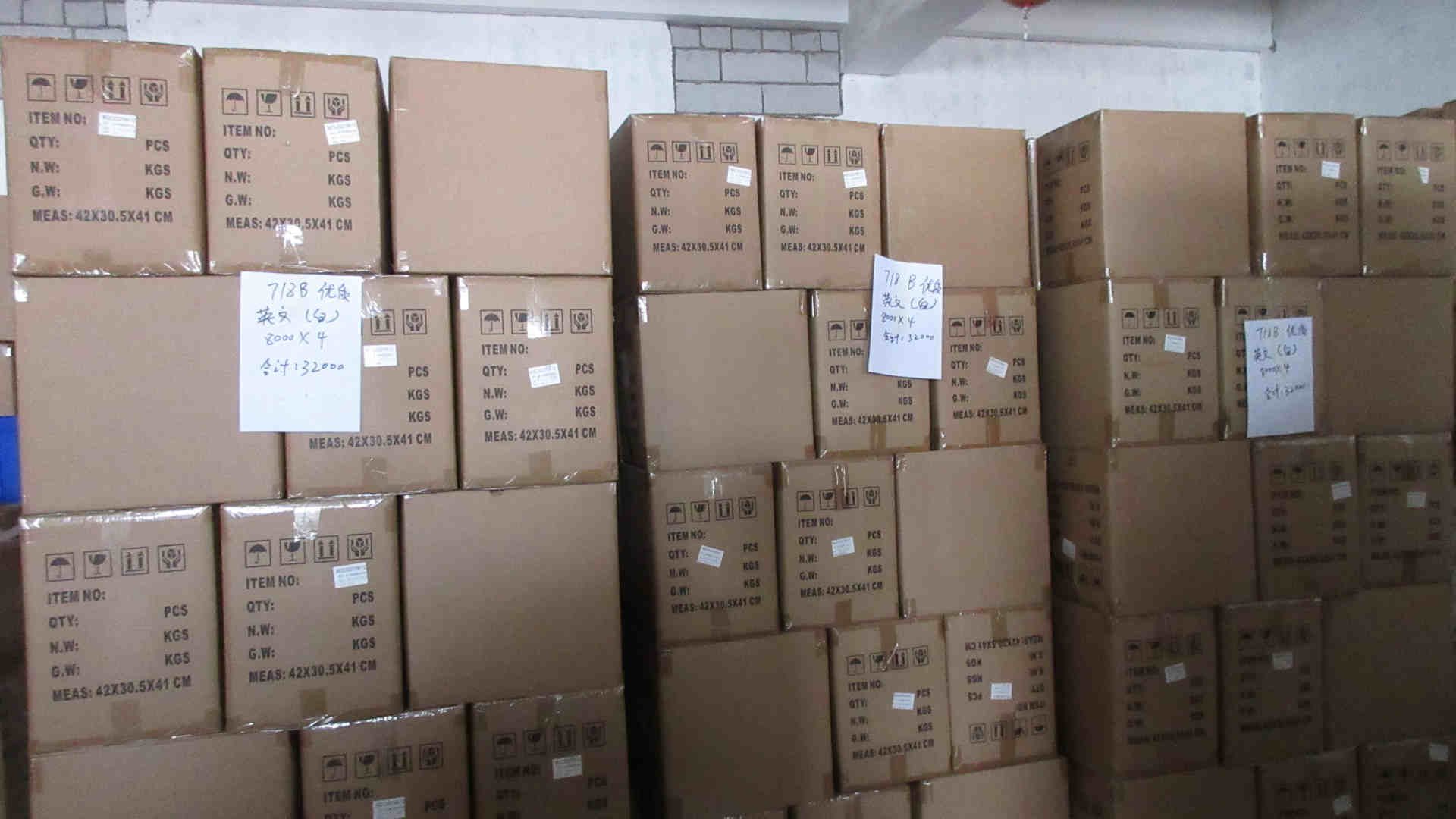
2. Import Logistics & Port Distribution: The majority of beauty machines exported from our Foshan facility are routed via the Port of Guangzhou or Shenzhen, arriving directly at primary South African shipping terminals in Durban, Cape Town, or Port Elizabeth (Gqeberha). Importers should work closely with custom brokers to declare goods under correct HS codes, ensuring accurate calculation of customs tariffs and VAT payments.
3. Consumable Lifecycle and Sanitization Standards: A major variable in the ROI of microdermabrasion machinery is the cost of consumables. Standard systems require specialized filters, single-use tips, or expensive solution bottles. Our systems support both autoclave sterilization of diamond-tipped wands and universal fluid connections. This helps clinics reduce operational overhead and maintain high safety standards between patient sessions.

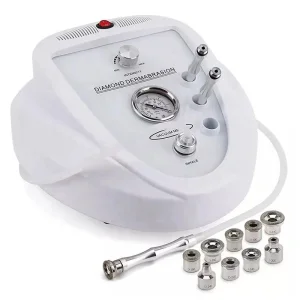

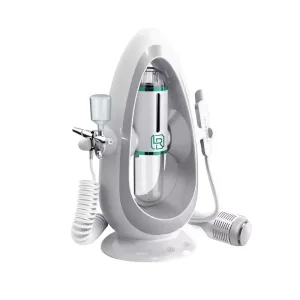
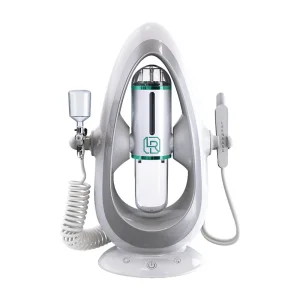
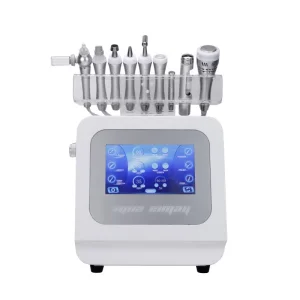
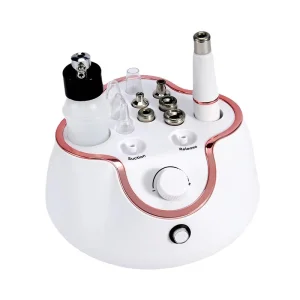
The success of diamond microdermabrasion in South African cosmetic dermatology lies in its mechanical accuracy. Standard exfoliation relies on friction, which can create uncontrolled heat and micro-tears. Diamond-tipped wands, however, utilize precisely graded diamond grits bonded to stainless steel handles. The vacuum system simultaneously lifts the skin slightly against the diamond tip, exfoliating the stratum corneum while stimulating blood circulation in the dermis below.
For South African skin types, this mechanism offers several clinical benefits:
Combining diamond microdermabrasion with hydra-dermabrasion and oxygen infusion technologies allows clinics to customize treatments for a variety of conditions, including dry skin, active acne, sun damage, and general skin aging. This flexibility makes it a valuable investment for modern aesthetic clinics.
We supply high-performance diamond microdermabrasion and hydro-facial systems to distributors, skin clinics, and wholesalers in South Africa and worldwide. Contact us today for technical specifications, bulk pricing, and custom configuration options.
Send Inquiry Now Kelli Beauty