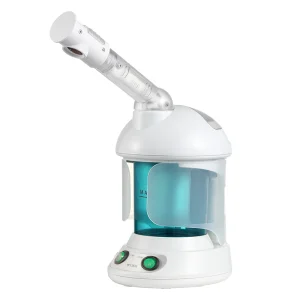
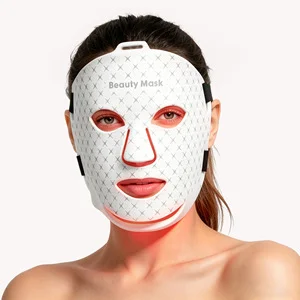
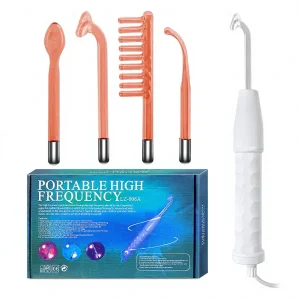
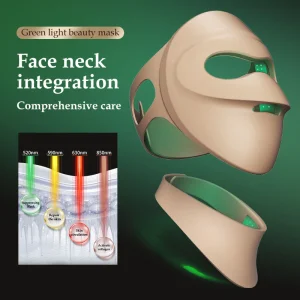
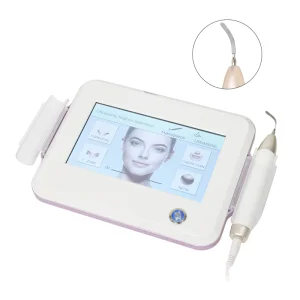
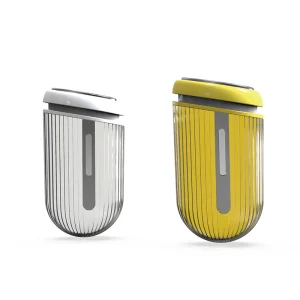
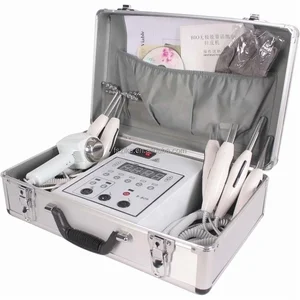
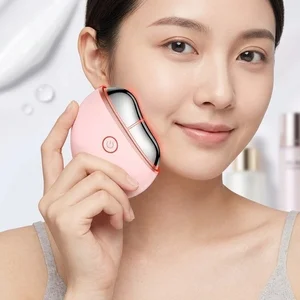
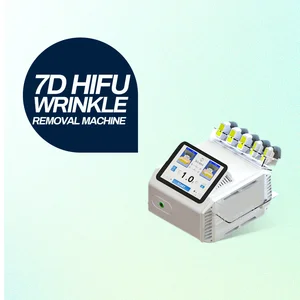
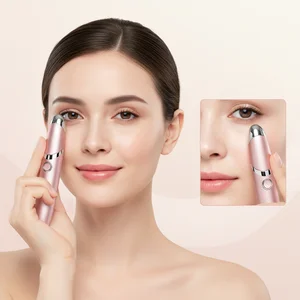
Explore our top-selling models configured for global distribution, clinical-grade spas, and direct consumer brands.
An in-depth analysis of clinical advancements, device-aided stratum corneum management, and market trajectory.
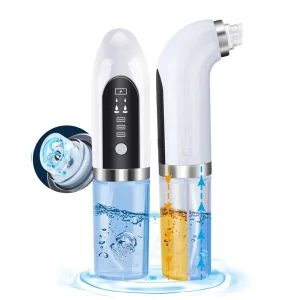
The dermatology and aesthetic hardware industries are experiencing a tectonic shift from manual epidermal treatments to precision-controlled electronic and mechanical exfoliation devices. Historically, chemical peels and abrasive scrubs dominated the skin rejuvenation vertical. However, the rise of biophysical transducers, ultrasonic blade technology, and microdermabrasion mechanisms has redefined the treatment spectrum. Modern skin exfoliation devices target the stratum corneum—the outermost layer of the epidermis—relying on high-frequency oscillations or mechanical friction coupled with vacuum suction to clear cellular detritus, open micro-channels, and facilitate transdermal drug delivery systems.
Understanding the criteria that dictate successful importing, private labeling, and clinical rollouts.
For global beauty brands, medical-spa networks, and wholesale importers, finding a skin exfoliation device supplier involves assessing criteria far beyond simple unit economics. B2B buyers operate in highly regulated environments where mechanical failure rates, safety certifications, and delivery timelines directly dictate bottom-line profitability. Key compliance benchmarks like the European Union's CE-MDR (Medical Device Regulation) and the US FDA's Class I/II clearance represent mandatory gating items for market entry.
Products must possess legitimate, verifiable test reports (FCC, CE, RoHS, Reach) to navigate customs clearance seamlessly. Working with an OEM supplier that keeps comprehensive technical dossiers reduces regulatory friction.
Distinction in a saturated retail environment requires customized tooling, unique ergonomic industrial design, and firmware changes (such as custom LED wavelengths, vibration intervals, and boot screens).
Rechargeable beauty devices frequently fail due to low-grade lithium batteries or poor moisture ingress protection (IPX5 to IPX7 rating). Professional buyers seek structures that employ high-cycle capacity cells and ultrasonic-sealed seams.
How geographic industrial clusters and digital integration produce cost-optimized, highly scalable manufacturing pipelines.
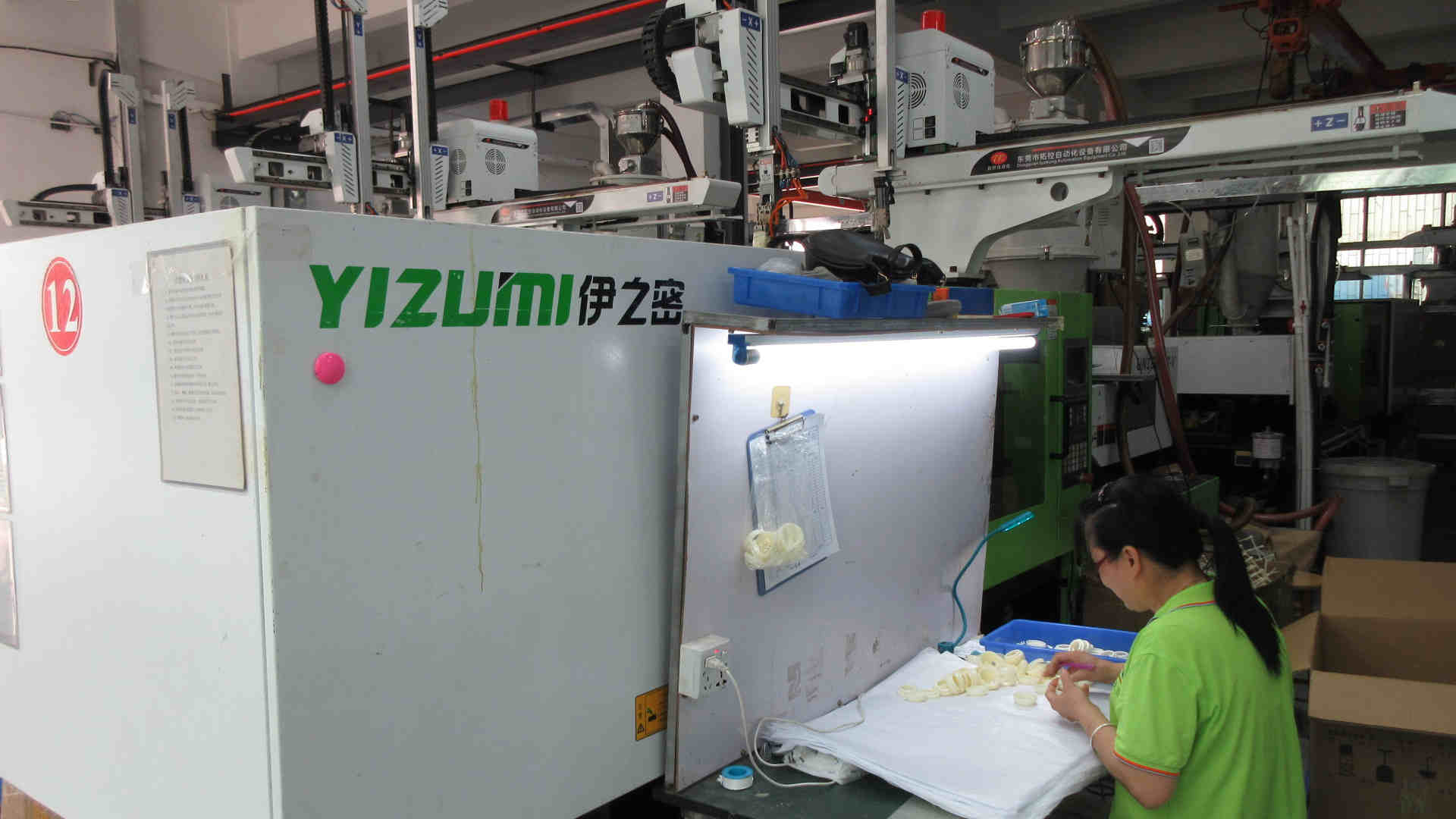
As the undisputed epicenter of personal care electronics manufacturing, southern China offers a hyper-optimized supply chain cluster that combines raw material sourcing, semiconductor programming, injection molding, and quality testing in a tight geographical radius. At Foshan Kelli Beauty Co., Ltd., we exploit this local ecosystem to offer our clients exceptional manufacturing speed, reliable component sourcing, and competitive factory-direct pricing.
| Manufacturing Dimension | Typical Fragmented Supply Chain | Foshan Kelli Factory 4.0 Model |
|---|---|---|
| Tooling & Mold Production | Outsourced to third parties (6-8 weeks) | In-house tooling and precision injection (3-4 weeks) |
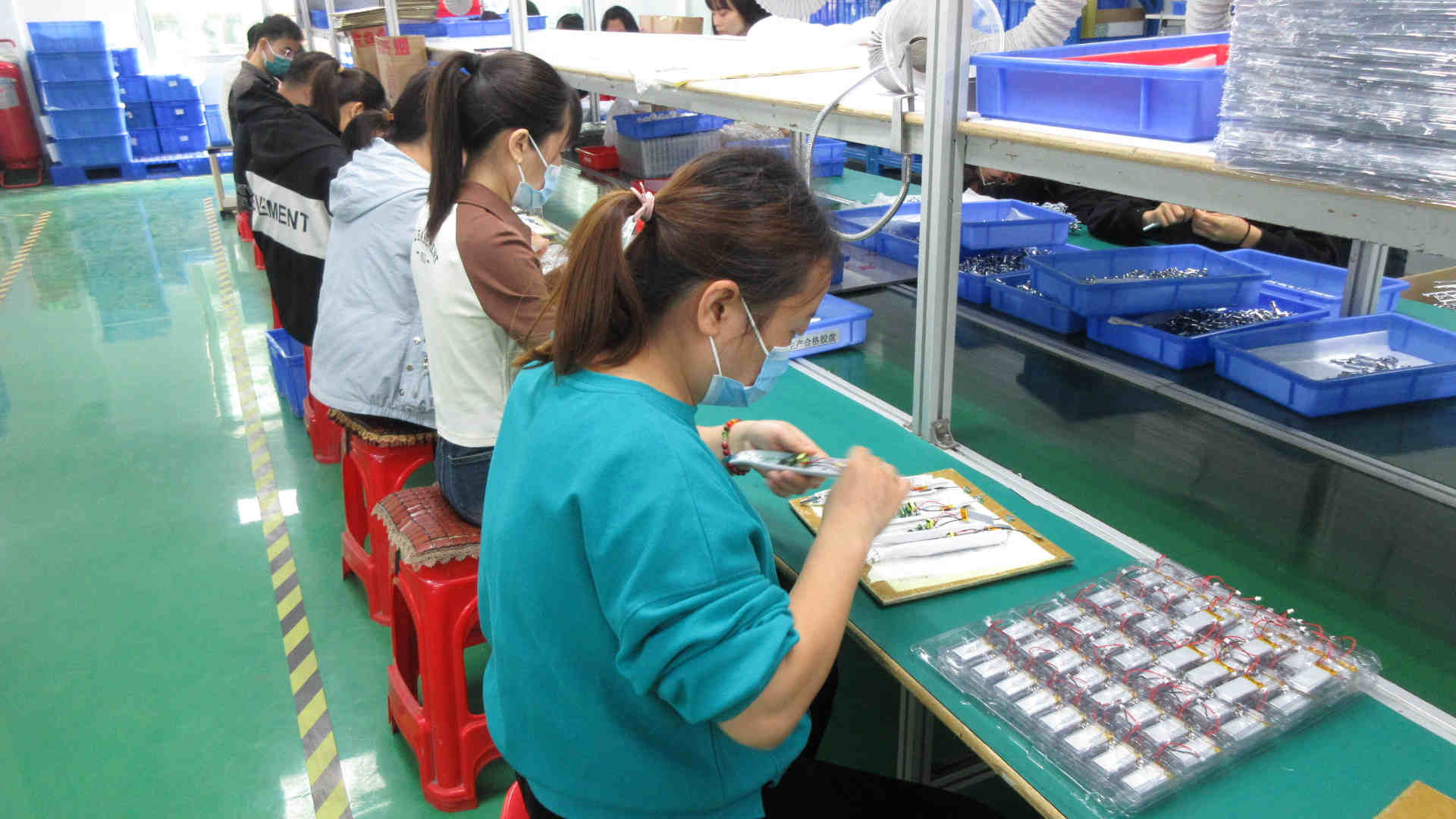
| Quality Assurance (QA) | Random spot-checks at final packaging stage | Multi-stage inspection (Incoming, Semi-finished, Functional, Final) |
| MOQ Flexibility | High rigid requirements (5,000+ units minimum) | Flexible scaling for OEM/ODM start-ups and brand pilots |
| R&D Iteration | Slow feedback loops across multiple design offices | Integrated engineering, rapid prototyping, and fast firmware updates |
Differentiating exfoliation systems according to specific market demographics and operation environments.
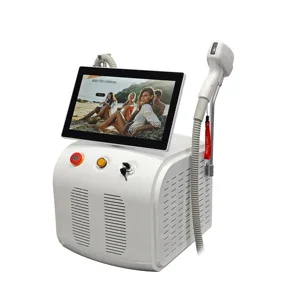
Clinicians require robust, continuous-duty machines. High-frequency skin therapy wands, diode laser equipment, and microfocused ultrasound (HIFU) systems serve as the core of clinical treatments, offering reliable desquamation, cell activation, and non-invasive lifting.
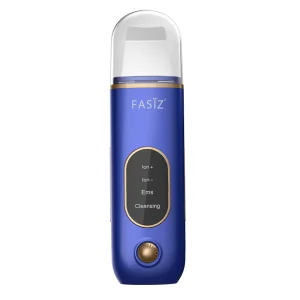
Handheld ultrasonic skin scrubbers, facial steamers, and portable hot/cold massagers dominate this segment. The emphasis here is placed on ease of use, USB-C recharging, retail-friendly packaging, and elegant ergonomic contours.
Requires cost-effective, bulk-packaged products that satisfy global certification norms (CE/RoHS). Fast turnover times and long-term shelf stability of the rechargeable cells are essential parameters.
A Premier Global OEM/ODM Beauty Device Partner since 2019.
Founded in 2019, Foshan Kelli Beauty Co., Ltd. is a professional manufacturer specializing in the development, production, and global supply of beauty devices and personal care equipment. With years of industry experience, we are committed to providing innovative, high-quality beauty solutions for customers worldwide. Our products are widely exported to Europe, North America, South America, Southeast Asia, and the Middle East, serving distributors, wholesalers, retailers, and brand owners.
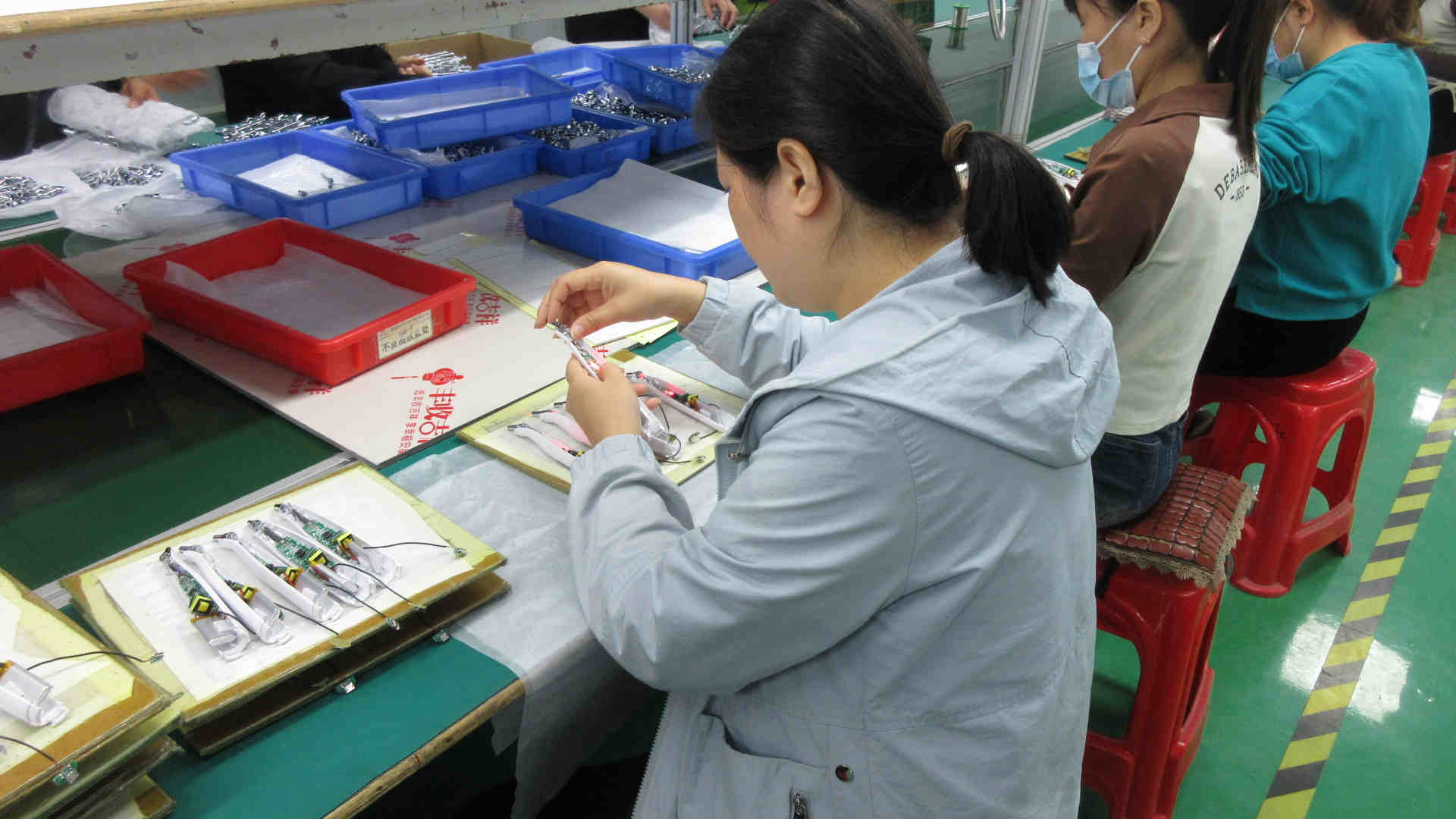
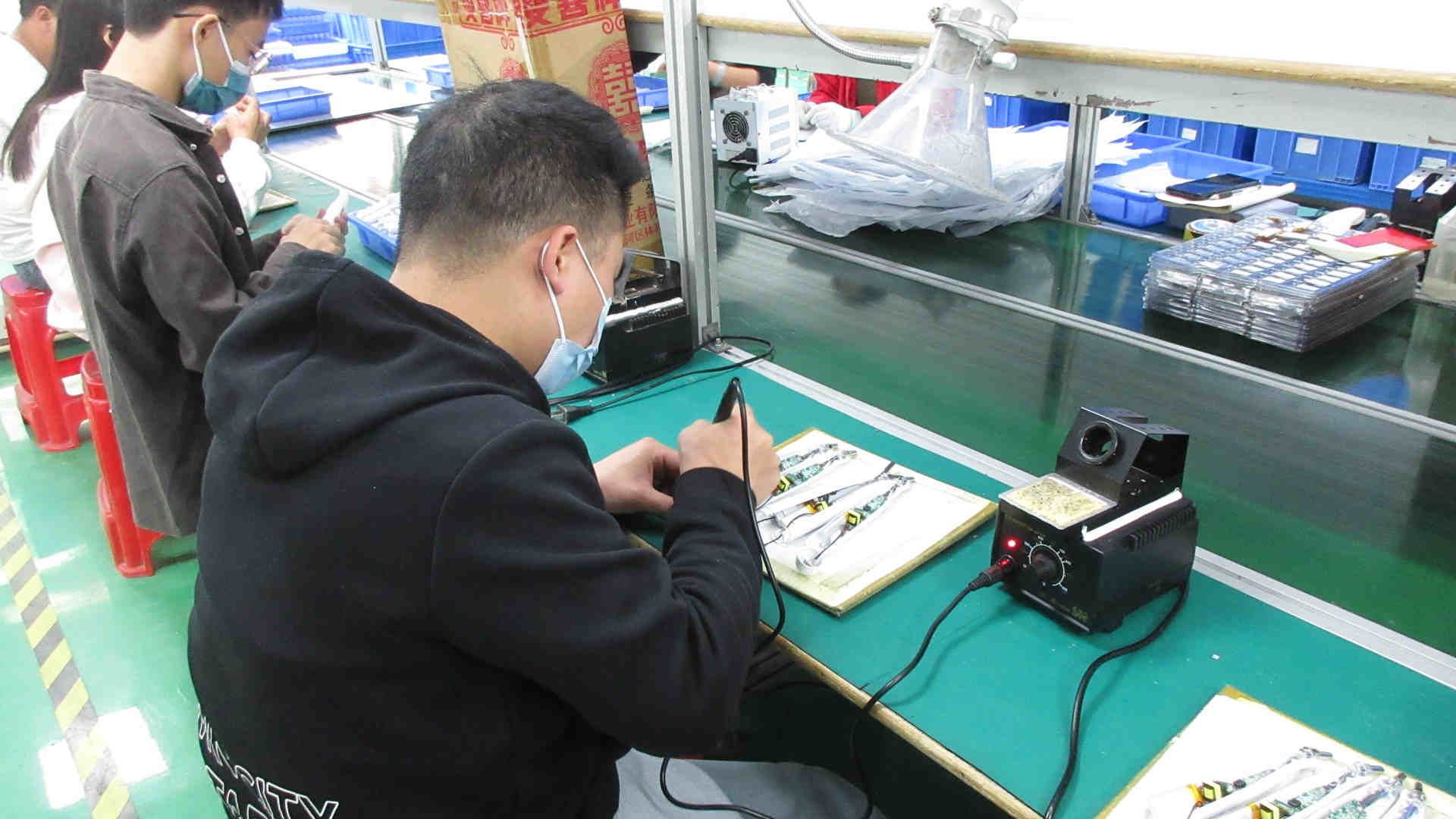
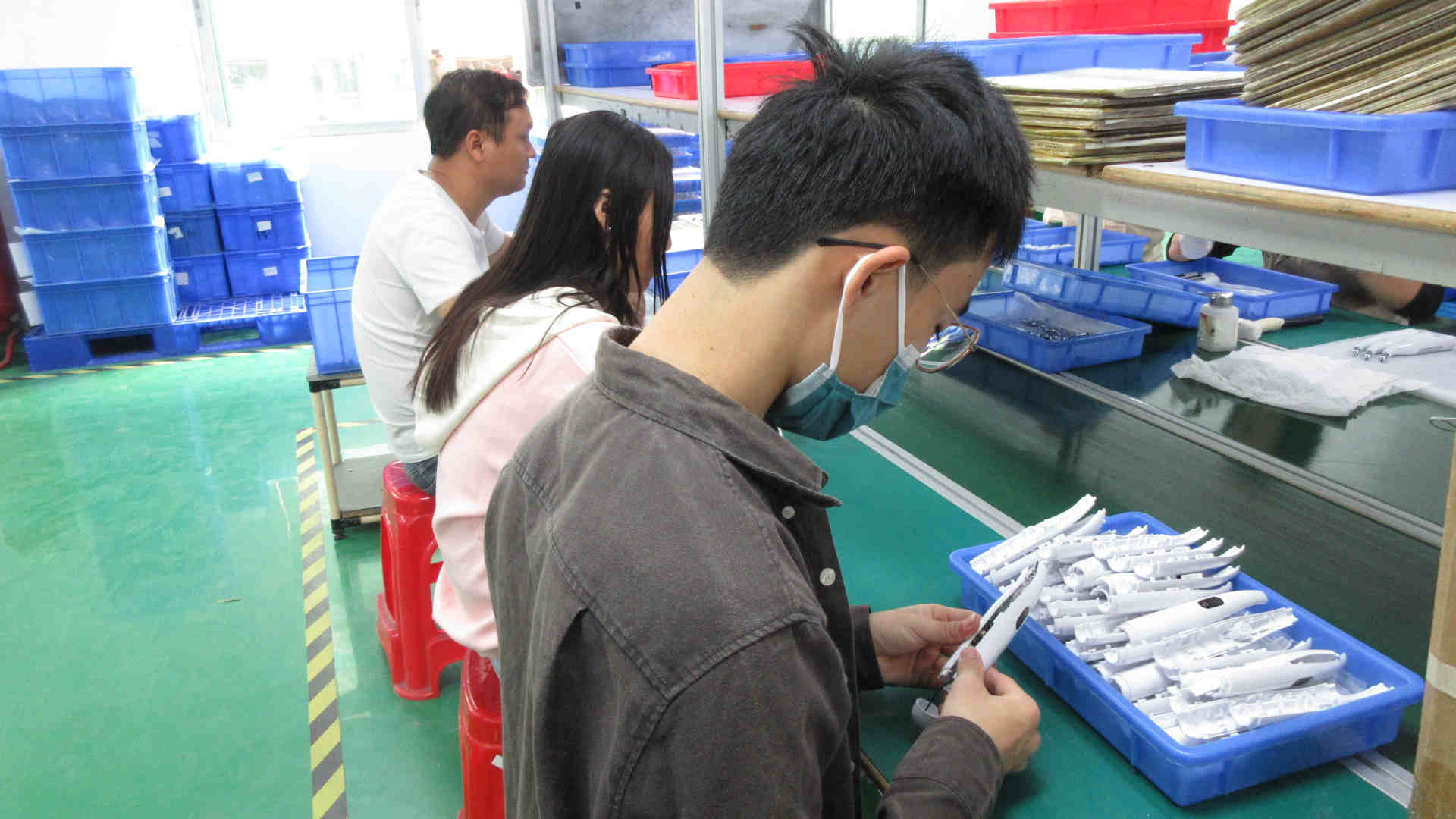
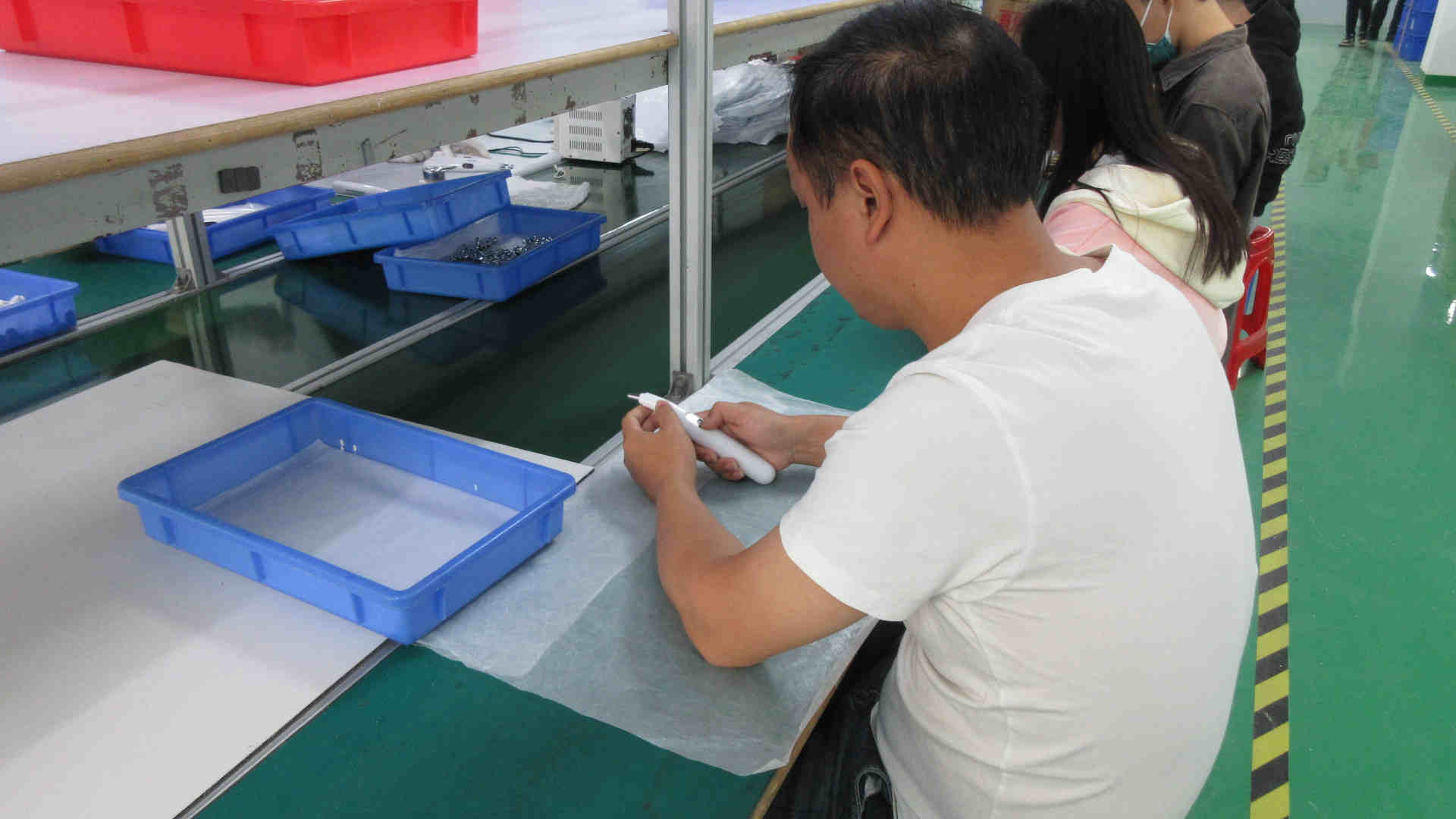
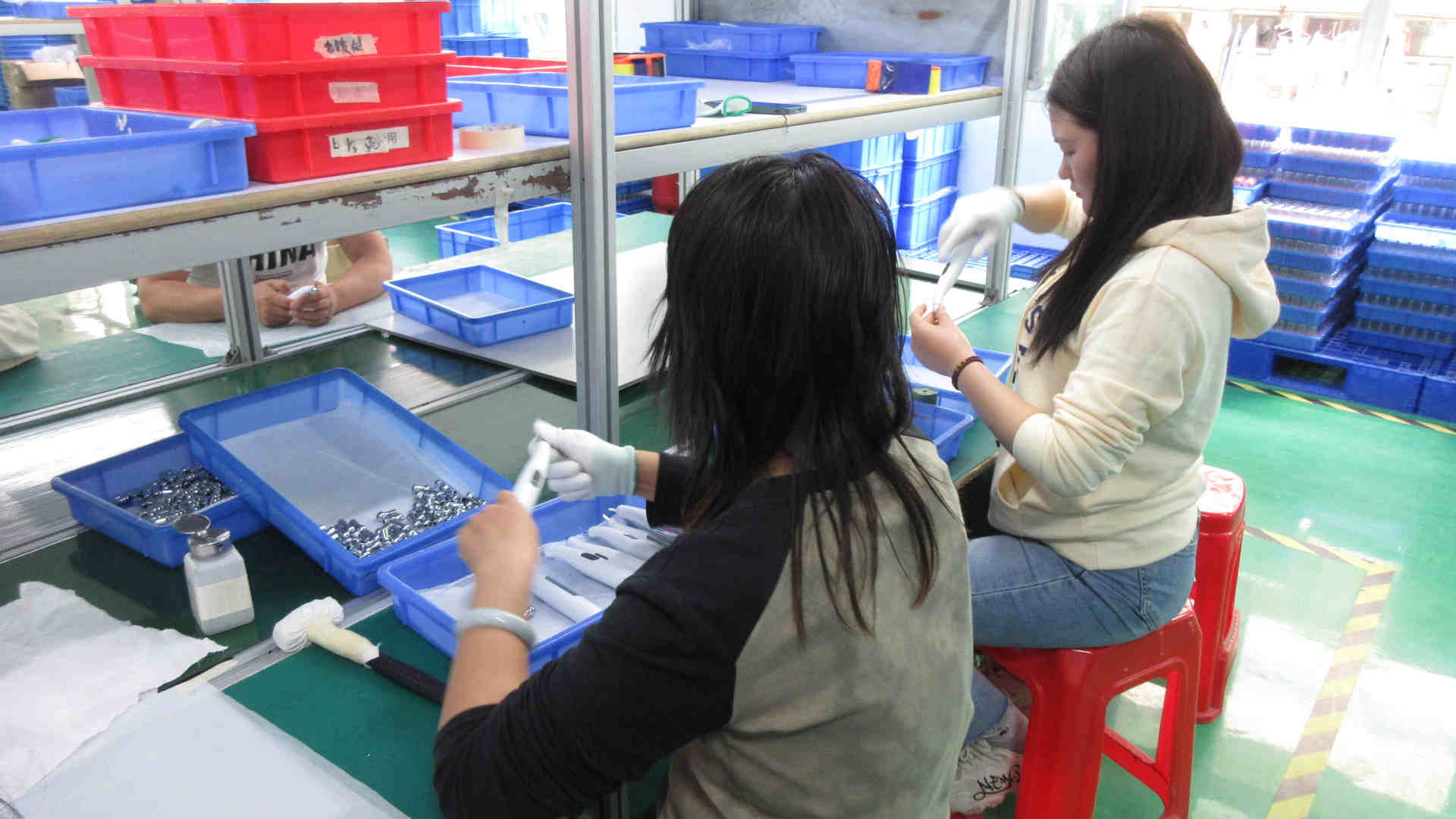
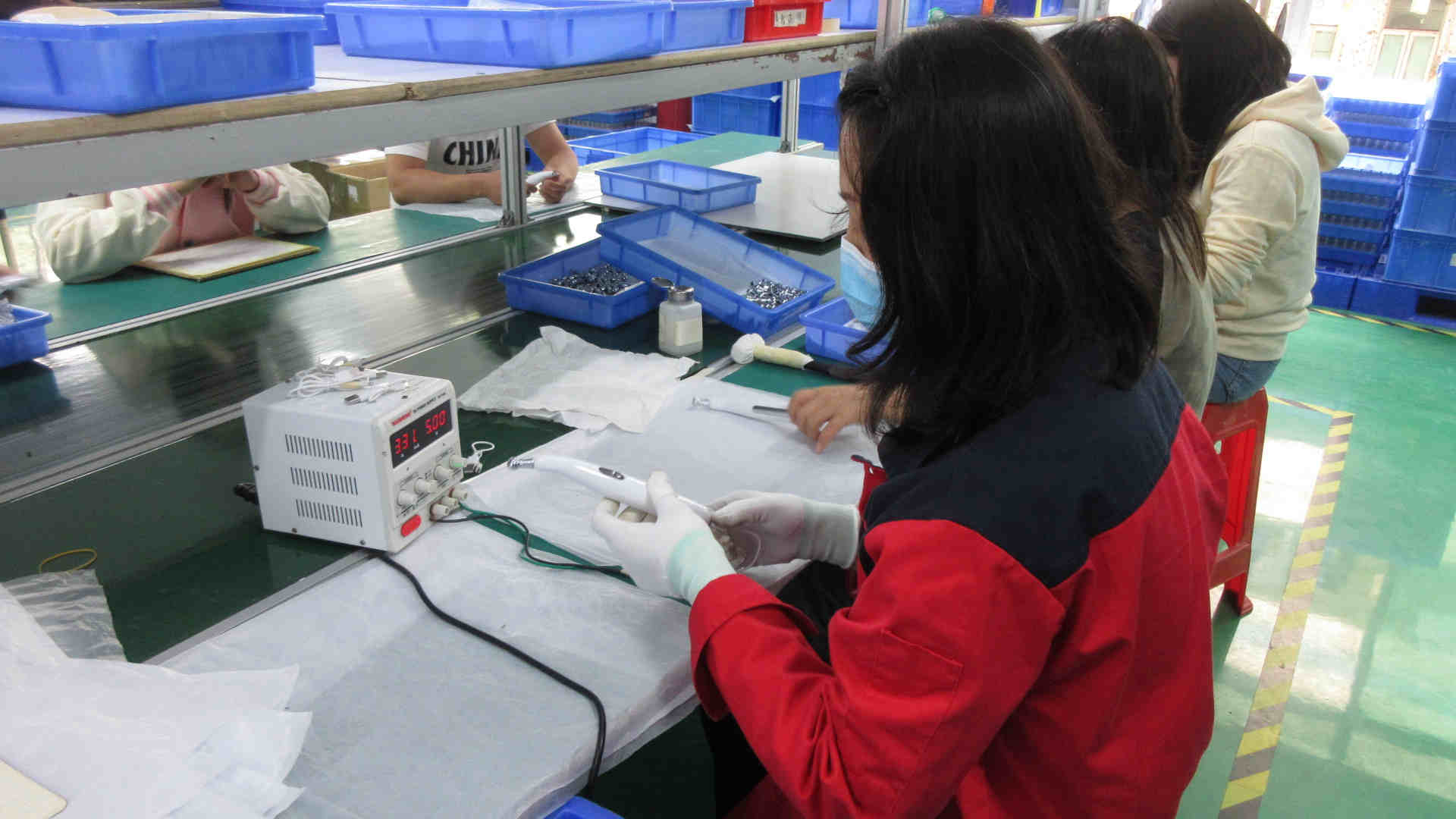
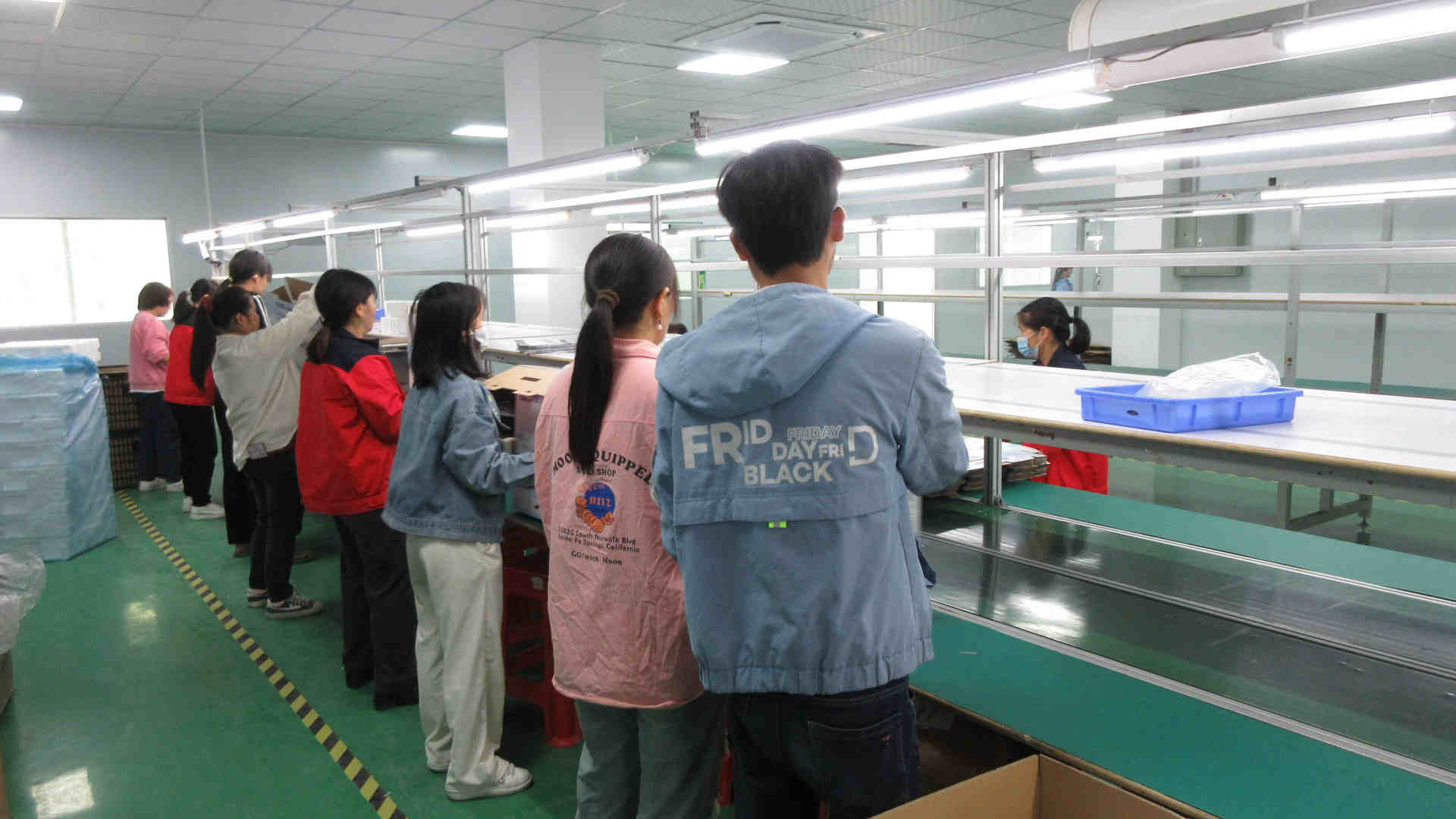
As a professional beauty device manufacturer, we operate a modern production facility with experienced engineers, advanced equipment, and a strict quality control system. Every product undergoes comprehensive testing to ensure reliable performance and consistent quality. We also offer flexible OEM and ODM services, including logo printing, customized colors, packaging design, and private label solutions to help customers build their own brands.
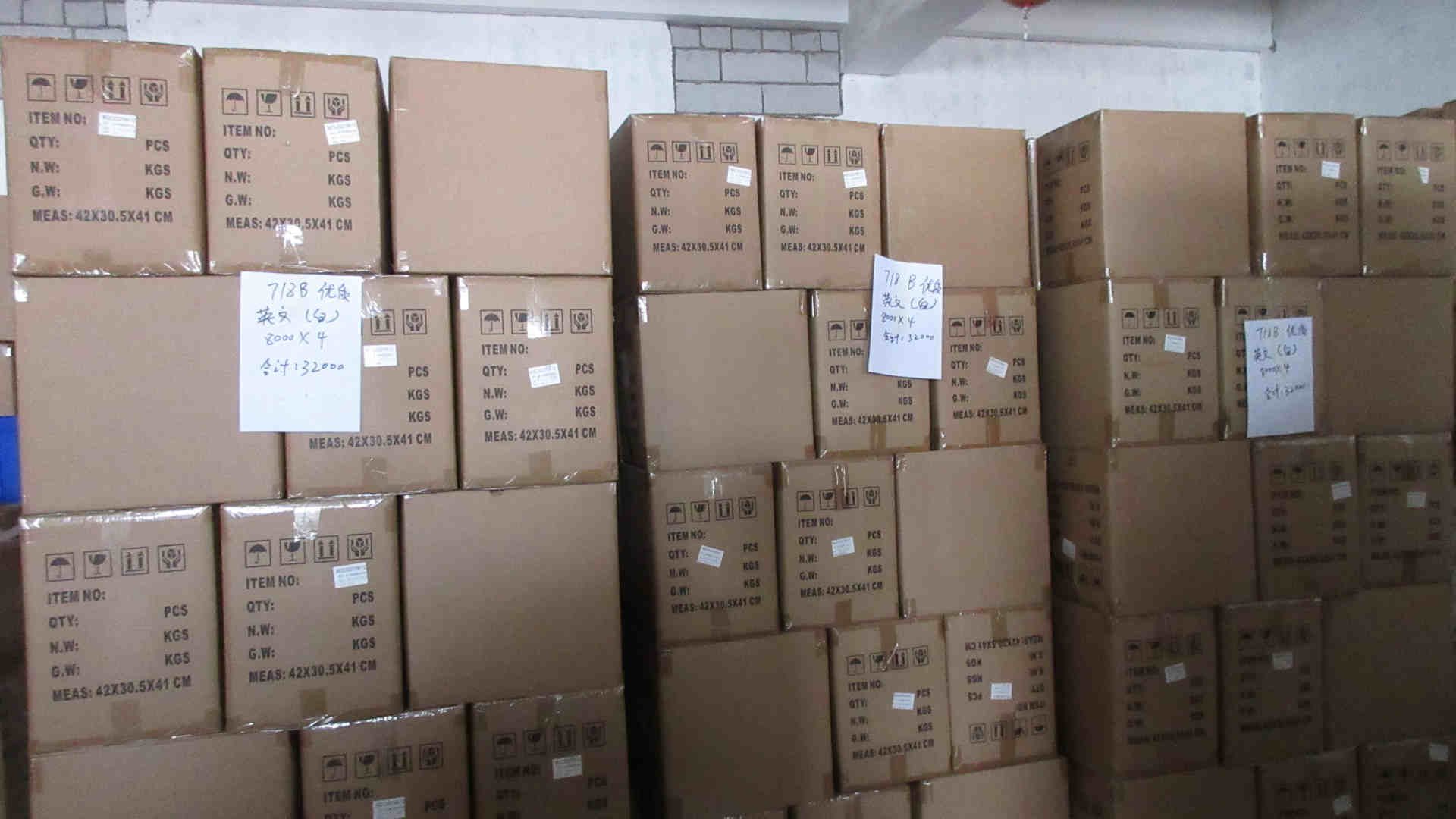
A transparent look inside our modern facility showcasing step-by-step manufacturing and engineering operations.

Expert answers to common engineering, procurement, and clinical application questions.
The industry gold standard for aesthetic ultrasonic exfoliation is between 24kHz and 28kHz. Frequencies within this range produce sufficient acoustic cavitation in water or treatment gels to gently atomize the fluid and lift away dead cells, without causing acoustic damage to deeper dermal structures. Lower frequencies might be too aggressive, while higher frequencies lose desquamation efficacy.
We use premium lithium-ion cells equipped with dedicated Protection Circuit Modules (PCM) to prevent overcharging, over-discharging, and thermal runaway. All rechargeable devices are built to sustain over 500 charge-discharge cycles before dropping below 80% of original capacity, matching international consumer electronics standards.
Yes. We provide complete OEM/ODM options. We can produce custom housing colors (via Pantone matching), apply pad-printed or laser-etched branding logos, design bespoke gift-box packaging, and adapt local instruction manuals. For ODM clients, we can develop proprietary plastic injection molds.
All our products are manufactured to comply with CE, RoHS, and FCC standards. Test reports are available upon request. We can also coordinate with recognized third-party labs (like SGS or Intertek) to obtain specific regional certifications required for your target market.
Standard off-the-shelf bulk orders are dispatched within 10 to 15 days. For OEM customized packaging and brand printing projects, lead times range between 25 and 35 days, depending on the availability of packaging materials and the order size. Custom ODM toolings typically require 45 to 60 days to complete testing and trial runs.
We employ a rigorous four-stage quality assurance protocol. This begins with Incoming Quality Control (IQC) on batteries, PCBs, and plastic casings, followed by In-Process Quality Control (IPQC) during assembly. We conduct 100% functional testing, checking sonic output, current draws, and charging operations, before finalizing with Outgoing Quality Control (OQC) inspections before dispatch.
High-performance systems engineered to target skin rejuvenation, pore cleansing, and anti-aging treatments.
 Kelli Beauty