Innovative medical-grade, non-invasive technology architectures designed specifically for hyper-sensitive and barrier-compromised skin profiles.
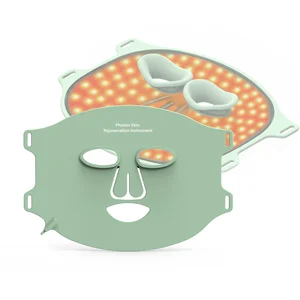
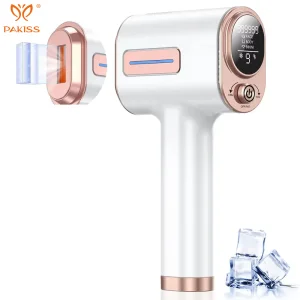
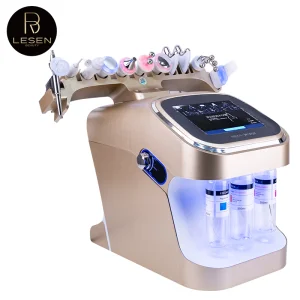
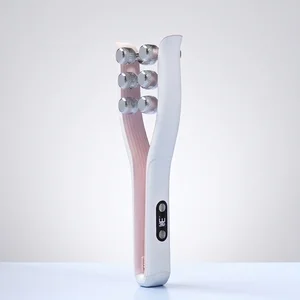
Establishing clinical viability, high biosecurity parameters, and strict engineering compliance for global brands.
Sensitive skin is scientifically categorized by hyper-reactivity to environmental, chemical, and physical stimuli, often resulting from a compromised stratum corneum (epidermal barrier). Designing and manufacturing personal care and beauty devices for this specific skin demographic demands a paradigm shift from standard beauty electronics. Manufacturers must prioritize thermal management, biocompatible materials, and calibrated microcurrent parameters to avoid triggering adverse inflammatory responses, hyperpigmentation, or micro-scarring.
From an OEM/ODM perspective, precision engineering of devices—such as utilizing narrow-band LED phototherapy (specifically 1072nm near-infrared wavelengths), microcurrents below 400 microamps, and active cooling contacts (sapphire-controlled temperatures maintained between 5°C and 15°C)—is critical. Modern B2B sourcing requires choosing partners who maintain compliance with ISO 13485 (Medical Devices Quality Management Systems), ensuring that every step, from plastic injection to functional testing, aligns with clinical-grade safety criteria.
Why global dermatological brands rely on Southern China's advanced supply chain ecosystems.
Foshan and Shenzhen represent the world’s most concentrated hardware clusters. Our direct accessibility to medical-grade silicon injection, high-frequency PCB manufacturing, and custom LED packaging houses lowers lead times by up to 40% compared to Western manufacturers.
Unlike standard electronics factories, Chinese beauty manufacturers have implemented automated calibration lines for Negative Temperature Coefficient (NTC) thermistors and optical sensors, preventing thermal runaway and protecting fragile skin barriers.
Advanced tooling automation, optimized injection molding processes, and scalable assembly structures enable Chinese factories to maintain a significant unit-cost advantage while supporting low MOQs for product launches and proof of concepts.
Established in 2019, specializing in advanced engineering, strict quality systems, and global OEM/ODM deployment.
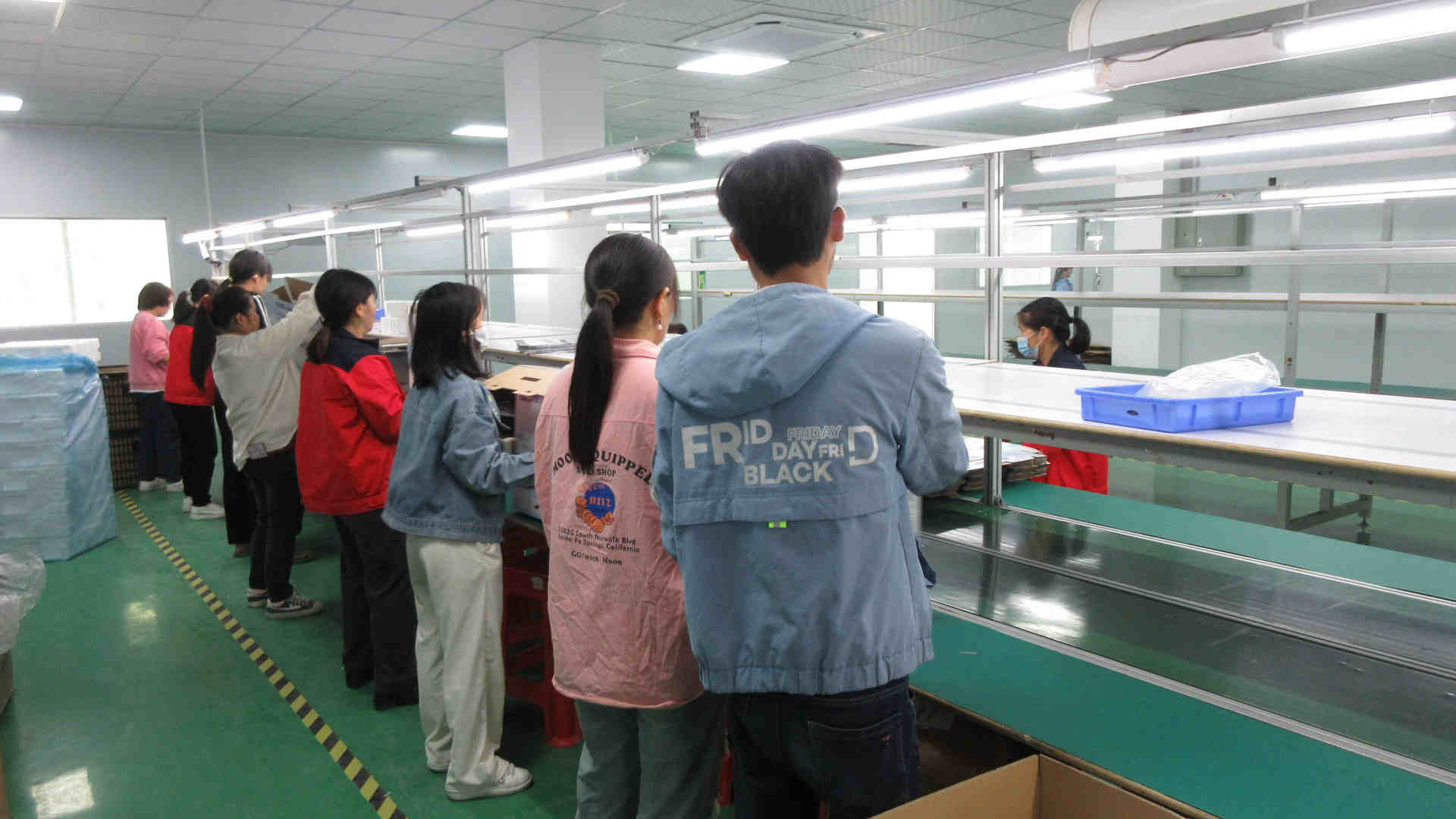
Foshan Kelli Beauty Co., Ltd. operates a highly standardized production facility with specialized hardware engineers, rigorous assembly configurations, and end-to-end quality inspection systems. Our production runs are optimized to guarantee component-level traceability.
Our capabilities extend beyond basic assembly to deep-level customization. We provide comprehensive OEM/ODM solutions, adapting product wavelengths (e.g., matching standard blue light at 415nm and custom medical-grade red light at 630nm/830nm), current profiles, shell polymers, and graphic packaging elements to suit distinct market demands.
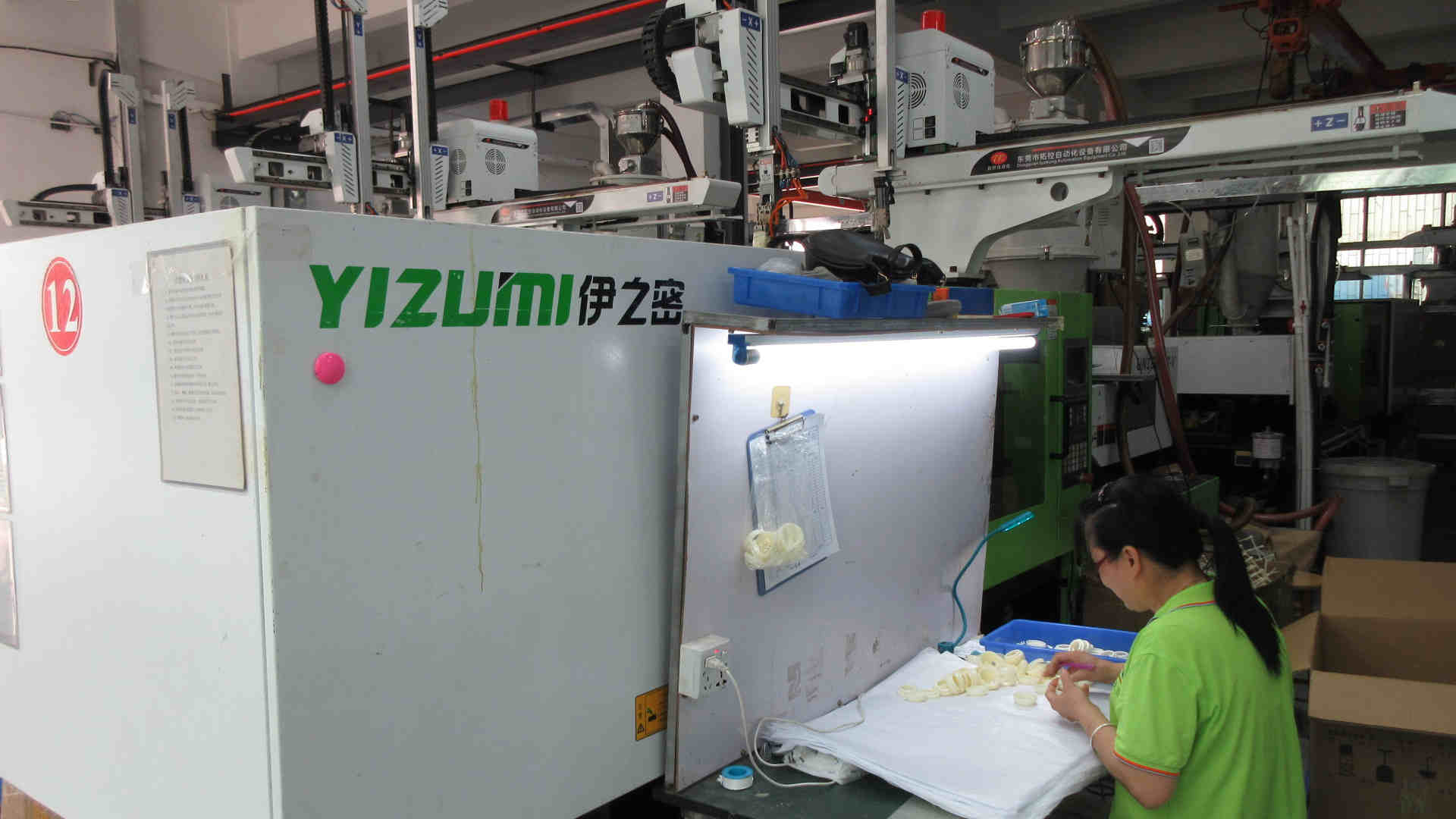
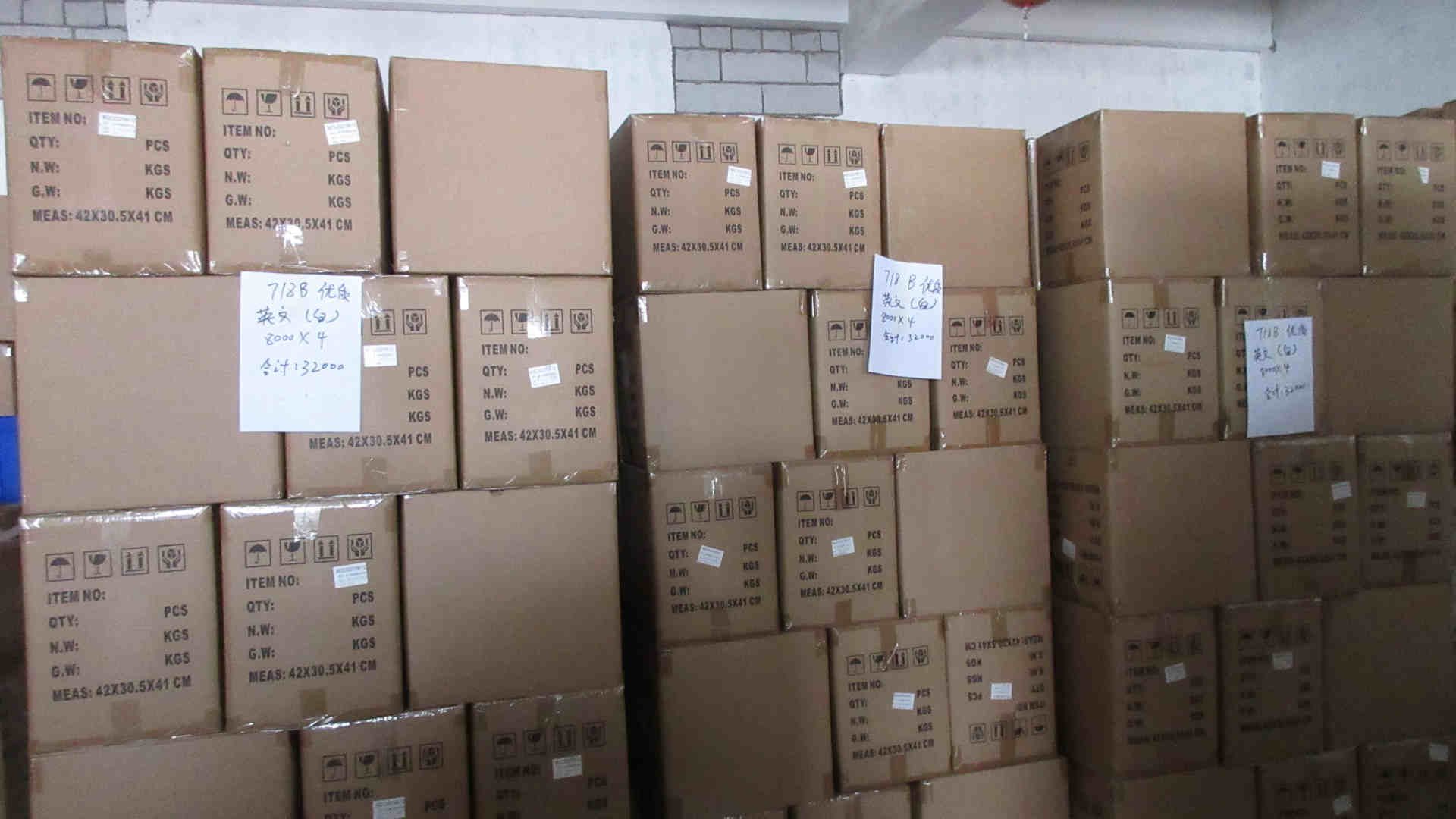
Every single device manufactured by Foshan Kelli Beauty Co., Ltd. undergoes a comprehensive multi-stage validation process. Below is the visual representation of our assembly, inspection, and packaging workflows:

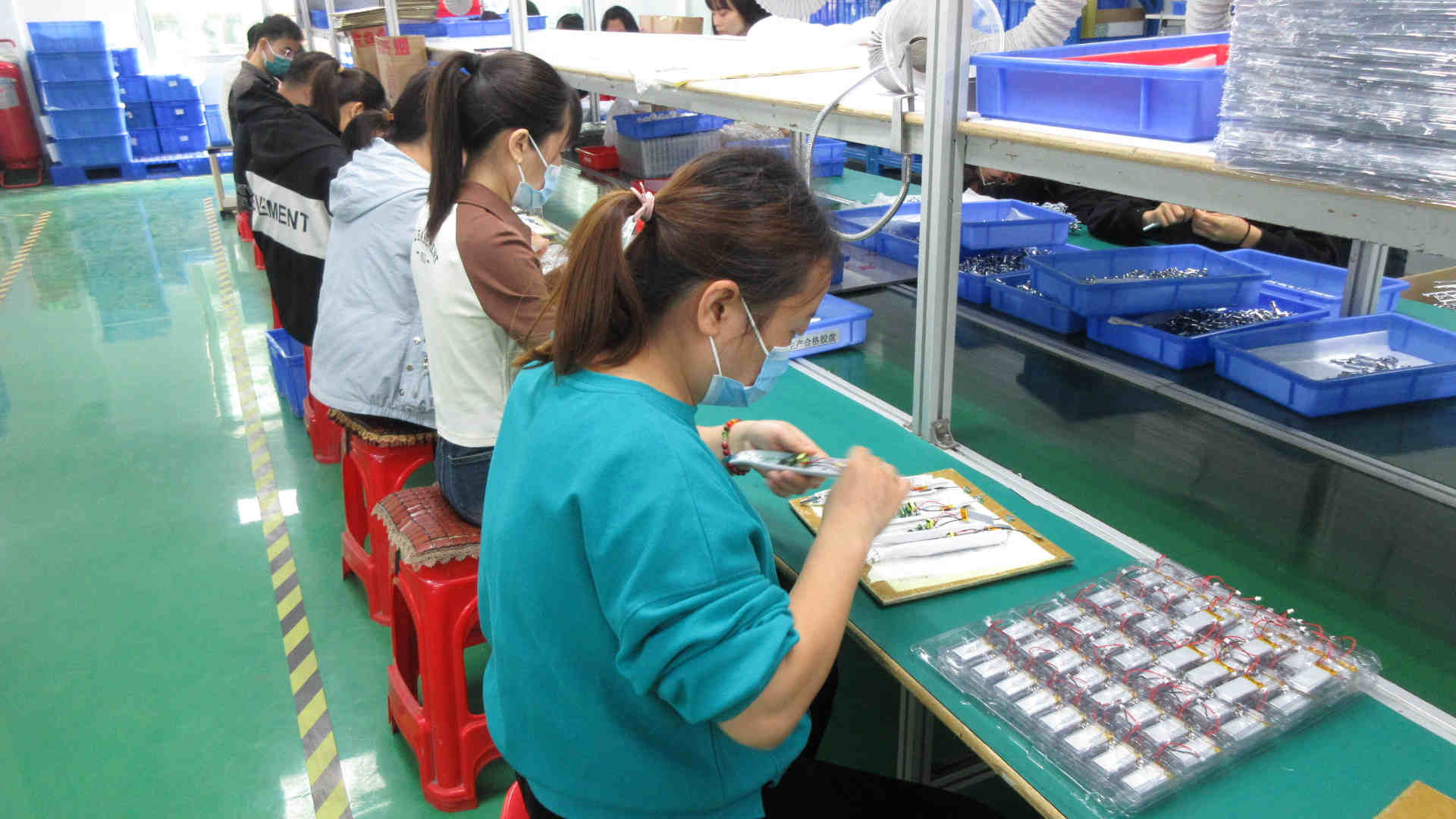
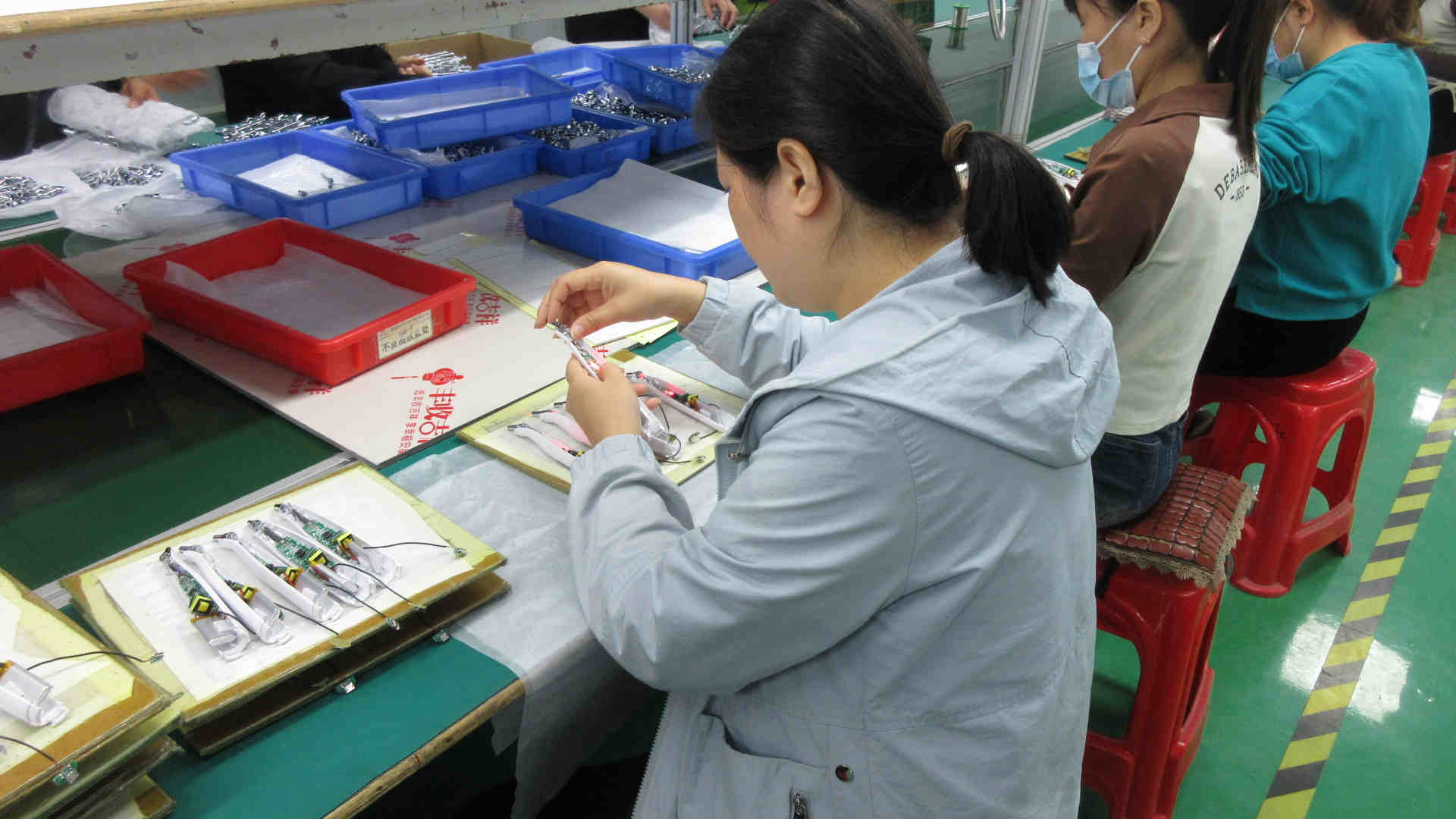
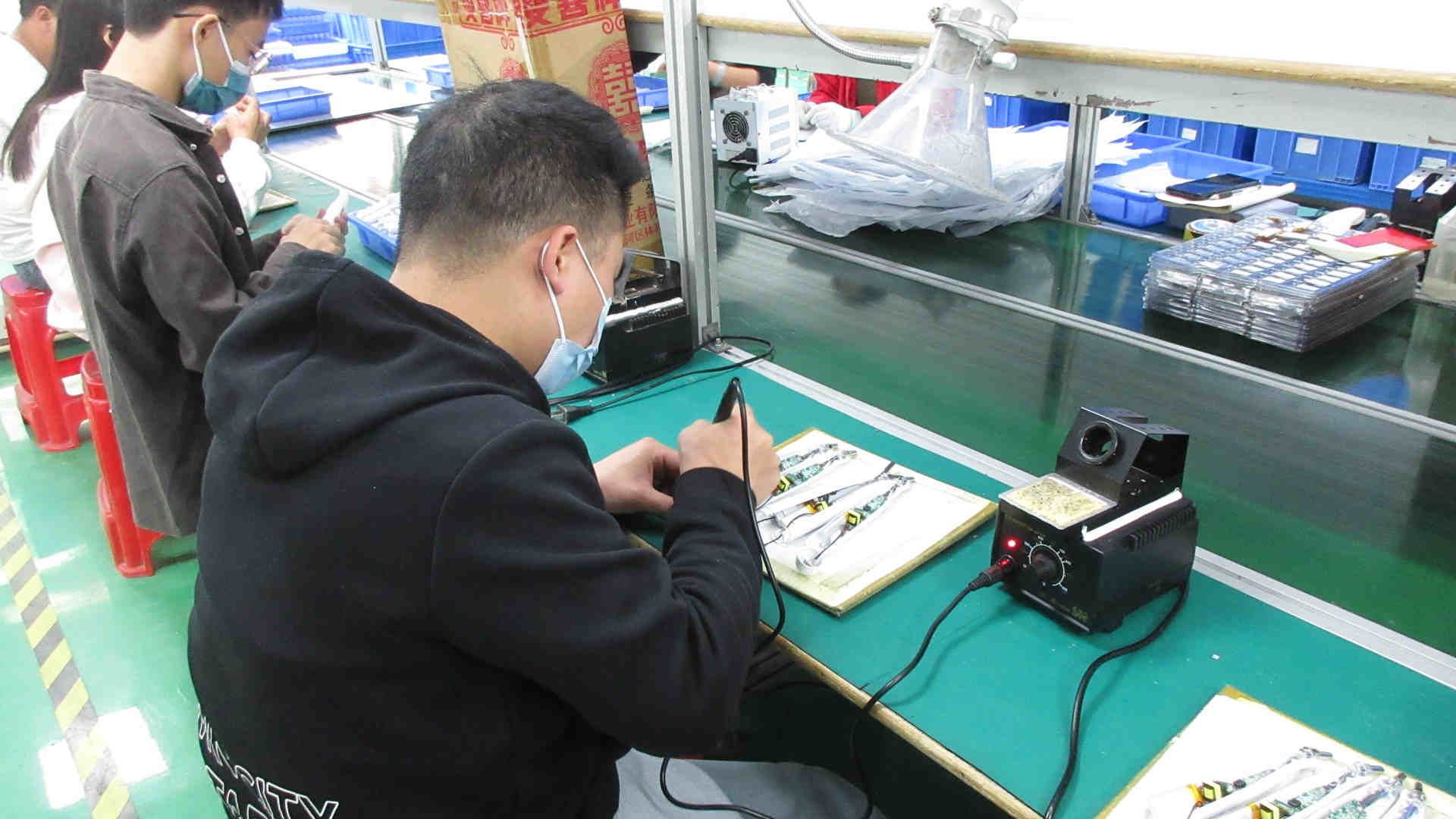
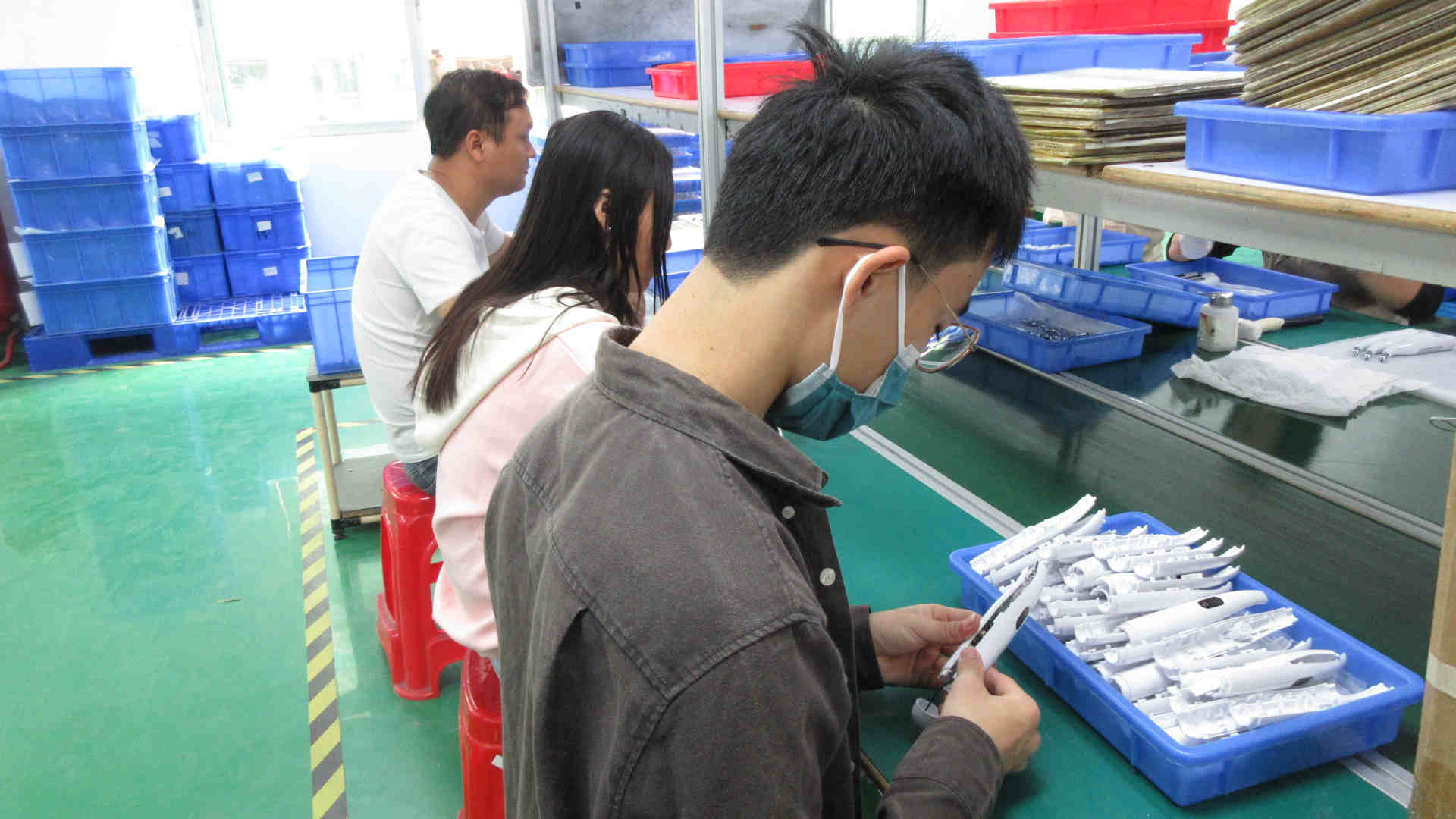
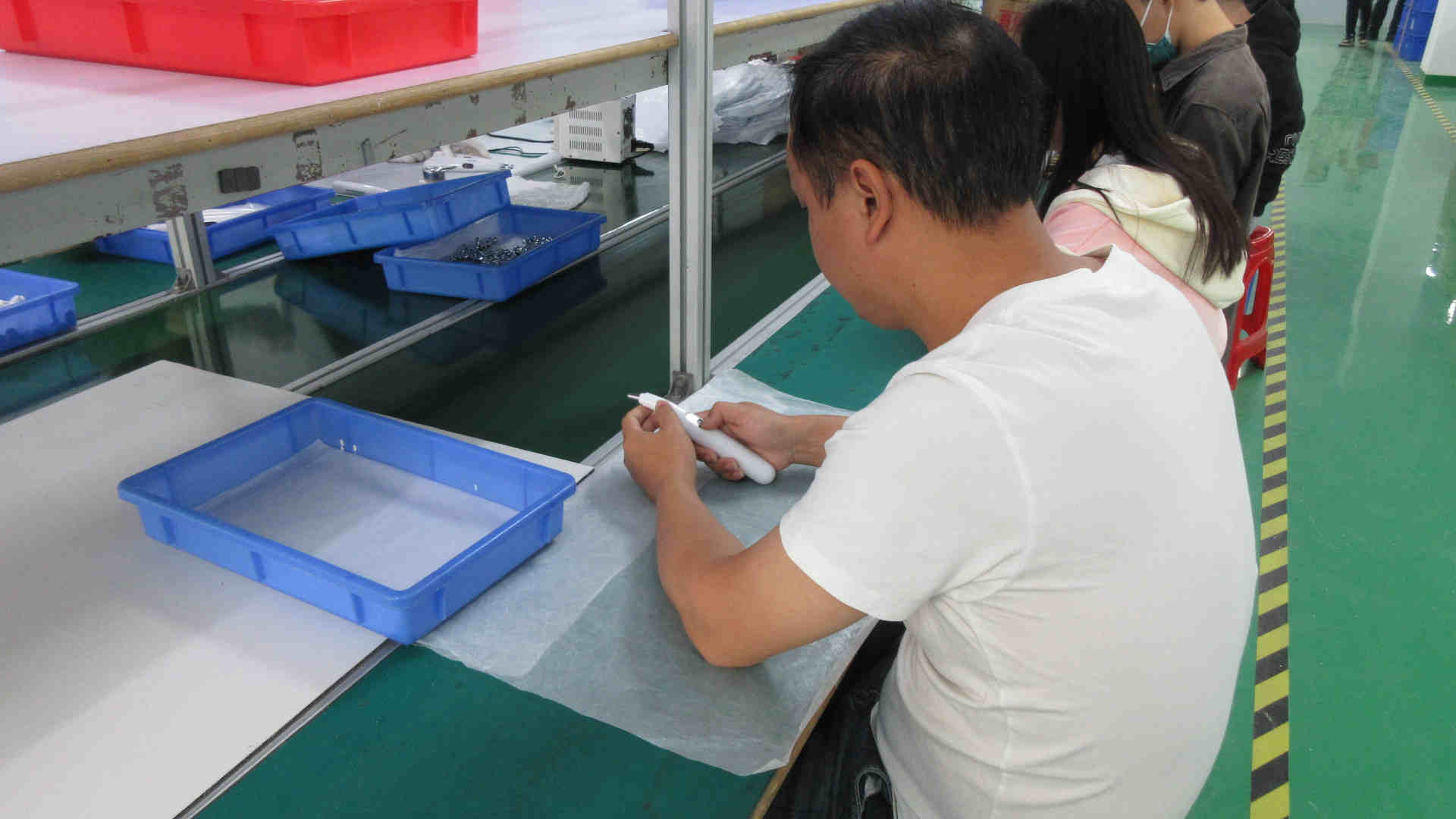
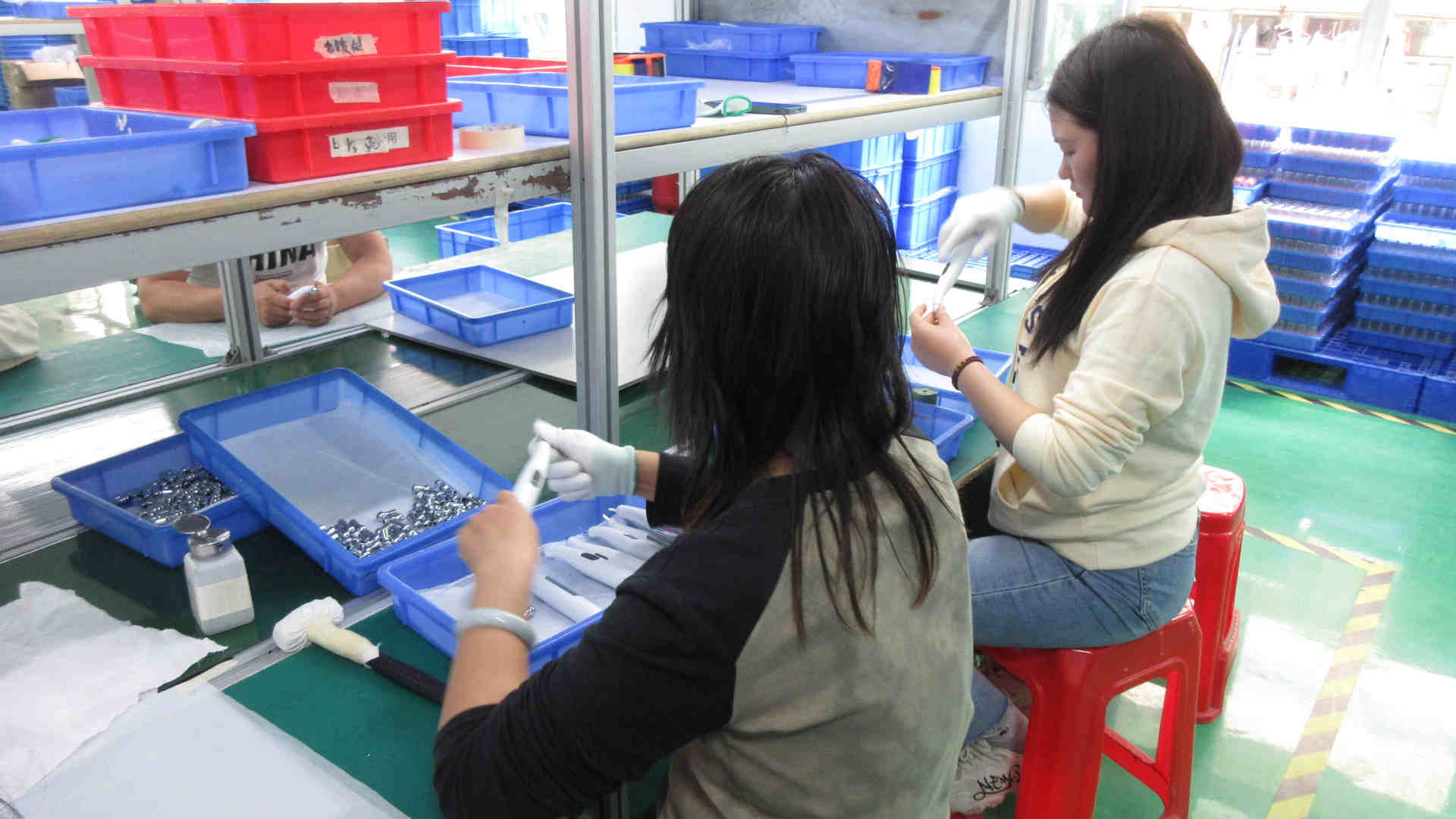
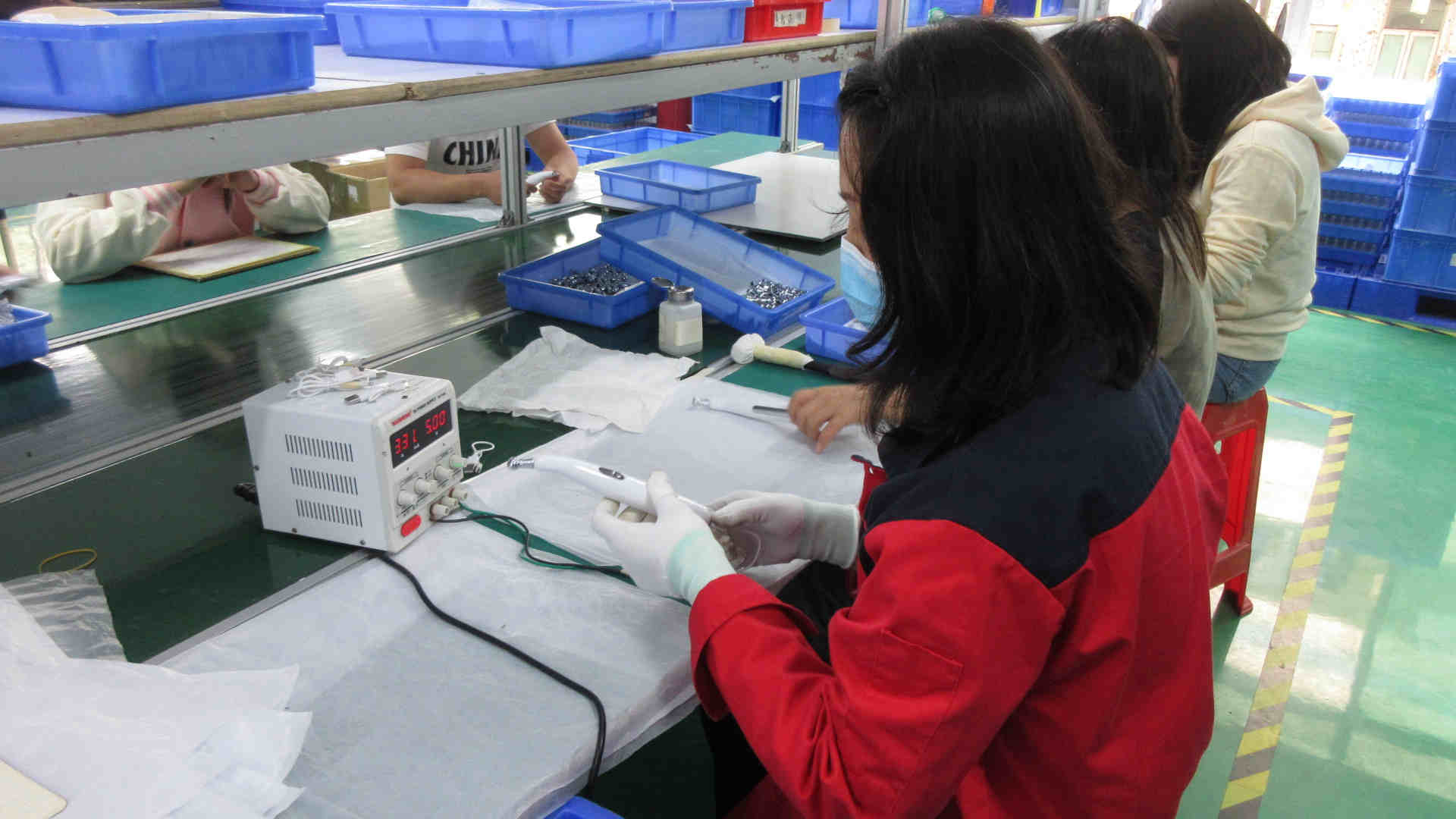
Configuring advanced technology parameters to solve real-world dermatological and commercial challenges.
Following aggressive fractional laser treatments, chemical peels, or microneedling, the skin barrier experiences acute disruption. Custom devices incorporating sapphire contact cooling (5°C to 10°C) combined with non-thermal 830nm LED photomodulation help accelerate tissue repair, downregulate inflammatory cytokines, and dramatically reduce clinical downtime.
For consumers diagnosed with vascular hyper-reactivity (Rosacea), standard RF heating or abrasive sonic cleansing is contraindicated. We supply low-frequency, biocompatible Galvanic microcurrent systems and ultra-soft, medical-grade silicone sonic cleansing heads designed to remove impurities without stripping lipids or stimulating vasodilation.
Conventional high-power Radio Frequency (RF) devices can generate uncontrolled deep thermal energy, leading to localized skin reactions in sensitive individuals. Our macro solutions utilize dynamic multi-polar RF architectures paired with real-time temperature feedback sensors to keep epidermal temperatures below 41°C while maximizing collagen remodeling in the dermis.
How global distributors and skincare brands partner with us to launch customized, high-margin product lines.
Procuring beauty electronics for global markets requires navigating a complex web of certifications, electrical engineering decisions, and packaging choices. To ensure a successful product launch, the following customization protocol is recommended:
All contact surfaces (electrodes, treatment probes, LED window plates) must be constructed from medical-grade materials such as SUS316L stainless steel, titanium alloys, or FDA-compliant platinum-cured silicone. This prevents contact dermatitis and heavy metal leaching.
For sensitive skin, light therapy requires strict narrow-band emission. Custom optical arrays can be configured to produce 415nm ±5nm for acne, 630nm ±5nm for cellular healing, and 1072nm for profound subcutaneous barrier recovery, maintaining stable irradiance without emitting heat-generating infrared spectrums.
Our ODM engineering department designs custom PCB firmware that incorporates soft-start protocols. This gradual ramping of electrical currents or sonic vibration amplitudes ensures the user's nervous system and vascular pathways are not shocked upon activation.
The convergence of artificial intelligence, real-time bio-feedback, and high-performance semiconductor components.
Sensors measure the moisture levels of the stratum corneum in real-time, dynamically adjusting the microcurrent micro-amperes to adapt to varying skin hydration states, preventing localized electrical burns.
1072nm light therapy represents the frontier of photo-dermatology. It bypasses superficial thermal receptors to deliver deep cellular energy, enhancing the synthesis of heat shock proteins (Hsp70) without producing surface warmth.
Integrating highly responsive Peltier cooling elements within handheld galvanic massagers allows rapid transitioning between hot (42°C for pore dilation) and cold (8°C for instant vasoconstriction) therapies.
Answering critical questions about certification, engineering design, MOQ, and international logistics.
Direct B2B supply, OEM options, and wholesale pricing on advanced beauty devices from our Foshan factory.

 Kelli Beauty