In recent years, at-home beauty devices have gained immense popularity. Many are curious about how to use laser beauty instruments at home safely. The benefits of these devices include convenience and cost-effectiveness. Yet, the potential risks cannot be overlooked.
Users often face challenges, such as skin sensitivity and misusing the device. It is essential to familiarize yourself with the instructions for use. Understanding your skin type is crucial before starting any treatment. By taking proper precautions, you can minimize potential harm.
Always conduct a patch test before using any new device. This step is vital to avoid unforeseen reactions. Remember, results may vary and do not always meet expectations. Sharing experiences with others may provide additional insights. Ultimately, prioritize safety and follow guidelines closely while exploring these innovative tools.
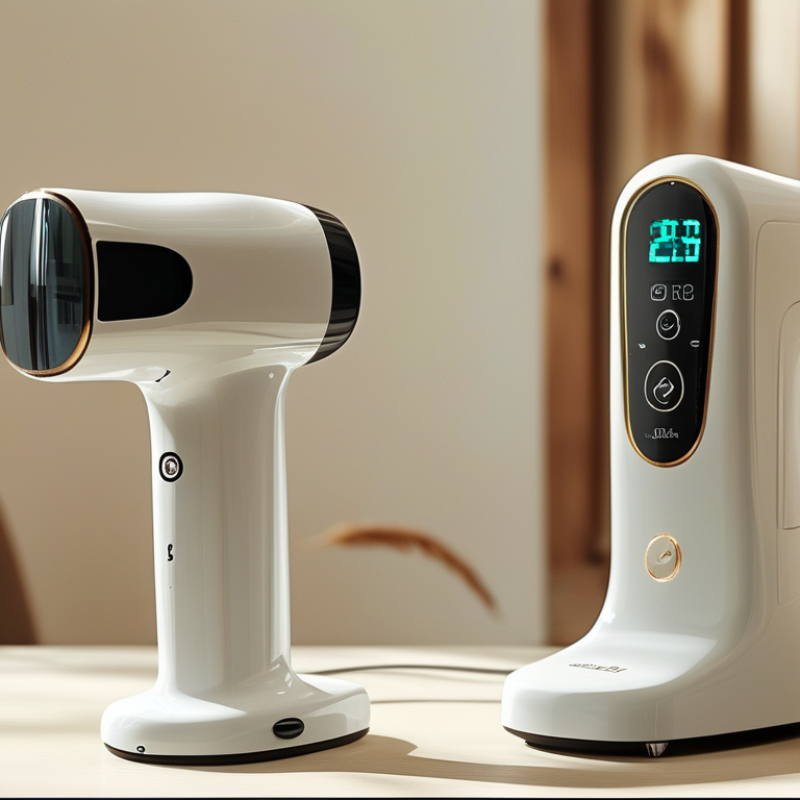
When looking to use laser beauty instruments at home, it's crucial to understand the different types available. Each type caters to specific skin concerns and varies in technology. For instance, diode lasers target hair removal and pigmentation issues effectively. These devices work by emitting light that absorbs melanin in the hair follicles. But users must be cautious. Overuse can lead to skin irritation.
Another popular type is the fractional laser. This technology focuses on resurfacing the skin by creating tiny wounds, promoting collagen production. While effective for aging skin, improper use can result in longer recovery times. Users often fail to follow guidelines, leading to uneven results. It’s essential to conduct thorough research before choosing a device.
At-home laser tools also include LED devices, designed for anti-aging and acne treatment. These are generally safer and easier to handle. However, results may take longer to appear compared to others. Understanding your skin type and conducting patch tests are necessary steps. Mistakes happen, but learning from them can ensure a more effective laser treatment experience.
This chart illustrates the estimated usage percentage of different types of laser beauty instruments at home by consumers in 2026. The data reflects the growing trend of at-home beauty treatments and the popularity of various laser technologies.
When selecting a home laser beauty device, key features demand your attention. Focus on safety. Look for devices with FDA approval or certifications that indicate they meet safety standards. Proper cooling mechanisms are also essential. Devices should have built-in cooling systems to prevent burns.
Next, evaluate the treatment options available. Some devices specialize in hair removal, while others target skin rejuvenation. Knowing your skin type and desired outcome will guide your choice. Pay close attention to the wavelength used. Different wavelengths treat various skin concerns. A wider range offers versatility.
Consider the ease of use as well. Lightweight devices are preferable. An ergonomic design allows for comfortable handling during procedures. Battery life is another factor. Devices with longer battery lives grant more flexibility during treatment sessions. User reviews can provide insight into effectiveness and reliability. Always examine real user experiences to gauge performance. Assess what worked well and what didn't for others. This could save you from potential disappointments.
Preparing your skin for laser treatment at home involves careful steps. Proper preparation ensures effectiveness and minimizes risks. Start by cleansing your face thoroughly. Remove any makeup, dirt, and oil. Use a gentle cleanser suitable for your skin type. This creates a clean canvas for your laser beauty instrument.
Tips: Always do a patch test on a small area before full use. This checks for any adverse reactions. Keep your skin hydrated. Drinking enough water helps your skin stay plump and healthy.
Exfoliation is essential but be cautious. Use a mild exfoliator to slough off dead skin cells. Avoid harsh scrubs or chemical peels right before treatment. Over-exfoliating can lead to irritation. Ensure your skin feels smooth and not red or sensitive.
After exfoliating, apply a soothing moisturizer. Look for one that calms the skin. It helps prepare your skin to better absorb the laser treatment. Observe your skin's reactions during this process. Adjust your routine if you notice any discomfort or unusual sensitivity. Adapting is key for safe and effective home treatments.
Using laser beauty instruments at home has gained popularity, especially in recent years. However, safety remains a key concern. A study from the American Academy of Dermatology indicates that improper use can lead to skin burns or discoloration. Thus, it’s crucial to follow specific safety precautions.
Before starting a session, always read the user manual carefully. This document often includes important guidelines. Set the device to a lower intensity initially. A 2022 survey revealed that 40% of users experienced minor side effects due to high settings. Use protective goggles to shield your eyes from the laser light. Remember, safety should never be overlooked.
Conduct a patch test on a small skin area. This helps identify any adverse reactions. If irritation occurs, discontinue use immediately. Keep the instrument clean and sanitized. Dirty devices can harbor bacteria, increasing infection risks. Regularly check for signs of wear or damage. Maintaining equipment ensures it operates safely and effectively.
| Safety Precaution | Description | Frequency |
|---|---|---|
| Read the Manual | Always start by reading the instruction manual for specific usage instructions and safety rules. | Before first use |
| Wear Protective Eyewear | Use laser safety goggles to protect your eyes from possible laser damage. | Every use |
| Do a Patch Test | Perform a patch test on a small area of skin to check for any adverse reactions. | Before initial usage |
| Keep Away from Water | Ensure the device is used in a dry environment to prevent electrical hazards. | Every use |
| Follow Recommended Treatment Time | Adhere to the recommended treatment duration to avoid skin irritation. | Each session |
| Consult a Professional | Seek advice from a dermatologist or qualified professional before starting any new treatment. | Before starting treatment |
| Avoid Sun Exposure | Limit sun exposure to the treated area before and after using the laser instrument. | Ongoing |
Post-treatment care is crucial for achieving optimal results after using a laser beauty instrument at home. Keeping the skin hydrated enhances healing. Data from industry studies indicate that 74% of individuals report improved outcomes when they practice consistent moisturizing routines following treatment. Hyaluronic acid-based serums are particularly effective. They can boost hydration levels and minimize downtime.
Additionally, avoiding sun exposure is essential. Research shows that UV rays can hinder recovery, making skin more prone to irritation. Sunscreen with SPF 30 or higher is recommended at all times. Regularly applying sunblock can reduce risks of hyperpigmentation and other side effects. Furthermore, a significant number of users, about 60%, overlook this step, leading to less favorable results.
Listening to your skin is important. Some redness or irritation may occur. These are typically normal responses. However, persistent discomfort should not be ignored. Consulting a skincare professional can provide valuable insights. This step addresses uncertainties; understanding one's skin response helps tailor subsequent treatments. Appropriate post-care fosters trust in the process and creates a more positive experience.
: Focus on safety features, like FDA approval and built-in cooling systems.
Consider your skin type and desired outcomes, as devices target different concerns.
Different wavelengths treat various skin issues. A wide range offers versatility.
Examine real experiences to learn about effectiveness. Note what worked and what didn’t.
Keep your skin hydrated. Use moisturizing routines to enhance healing.
UV rays can hinder recovery and lead to irritation. Always apply sunscreen with SPF 30 or higher.
Mild redness is normal. Persistent discomfort should prompt consultation with a skincare professional.
Lightweight devices are easier to handle, making treatment more comfortable.
Longer battery life offers flexibility during treatment sessions. It reduces interruptions.
Many overlook sun protection, leading to less favorable results.
In "How to Use Laser Beauty Instrument at Home Safely in 2026," the article provides essential guidance for individuals looking to incorporate laser beauty tools into their skincare routine. It begins by outlining the various types of laser beauty instruments available on the market, helping readers understand their distinct features and functions. When selecting a device, key factors such as skin type, laser type, and safety certifications are outlined to ensure informed choices.
The article further elaborates on how to use laser beauty instruments at home safely by offering a step-by-step guide for skin preparation and emphasizing critical safety precautions during the treatment process. Additionally, it discusses post-treatment care, highlighting practices that enhance the effectiveness of the treatments. Overall, this comprehensive guide empowers readers to achieve optimal results while ensuring safety in at-home laser procedures.

Kelli Beauty